What's up in
Oil and Gas
Global oil and gas markets, exploration, production, pipelines, energy security, and the technologies and policies shaping the world's conventional energy sector.
Oil and Gas
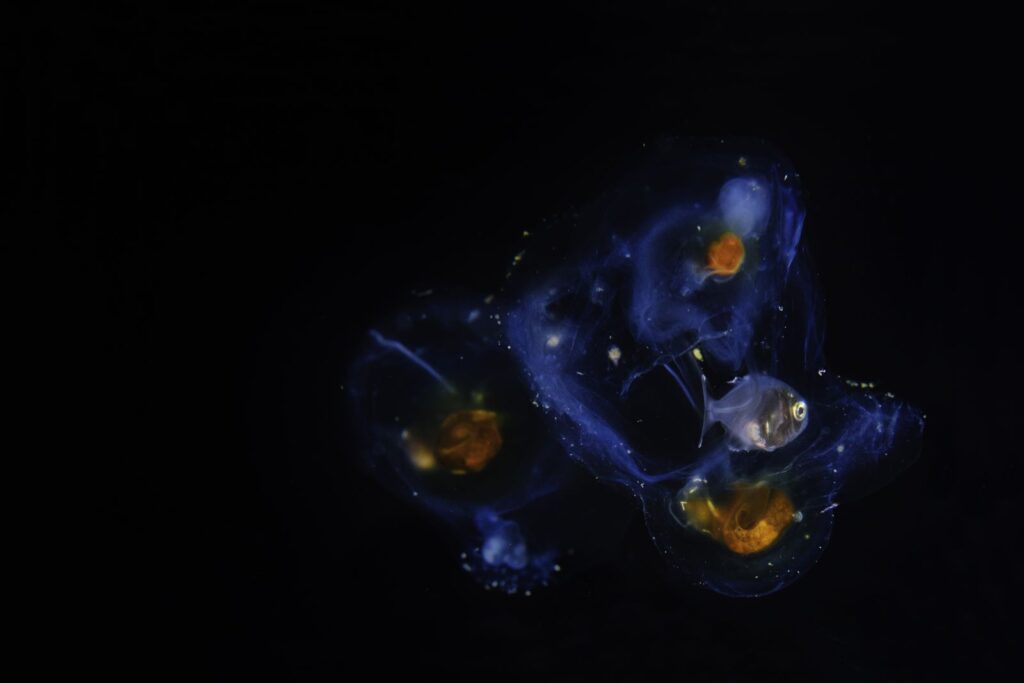
A CROZEX study in the sub-Antarctic Southern Ocean measured carbon sinking to three kilometres below the surface and found naturally iron-fertilised waters exported two to three times more carbon than adjacent nutrient-rich patches without the iron
The CROZEX cruise measured carbon sinking three kilometres beneath the sub-Antarctic Southern Ocean and found that naturally iron-fertilised waters exported roughly two to three times more carbon than adjacent iron-starved patches — a natural experiment that anchors modern debates over ocean iron fertilisation.
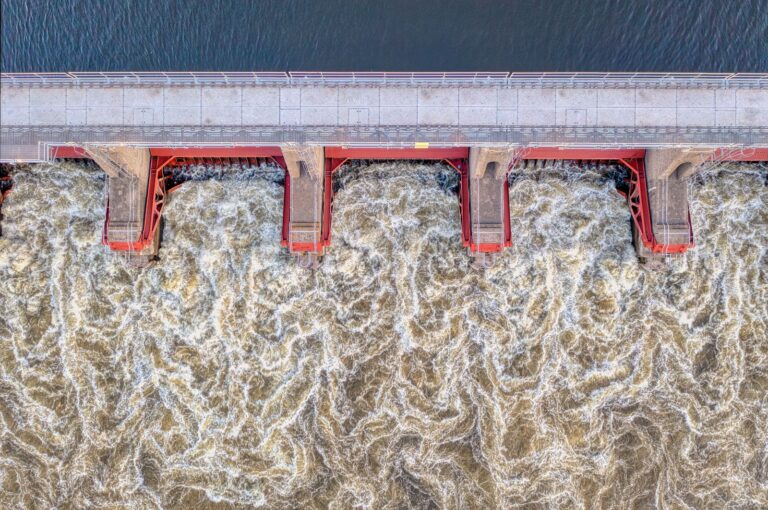
A pumped-hydro station in Wales moves 7.2 million cubic metres of water up a mountain at night and releases it through six turbines in the morning, delivering roughly 1,728 megawatts to the grid within 12 seconds of the operator pressing the start button
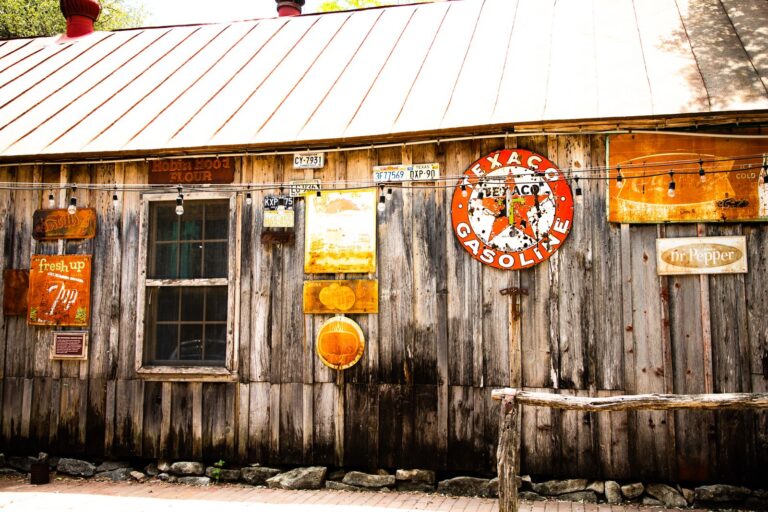
In 1901, workers at Spindletop in Texas struck oil at roughly 340 metres and could not cap the well for nine days as it spewed an estimated 100,000 barrels a day, more than every other producing well in the United States combined, and helped launch the age of cheap petroleum
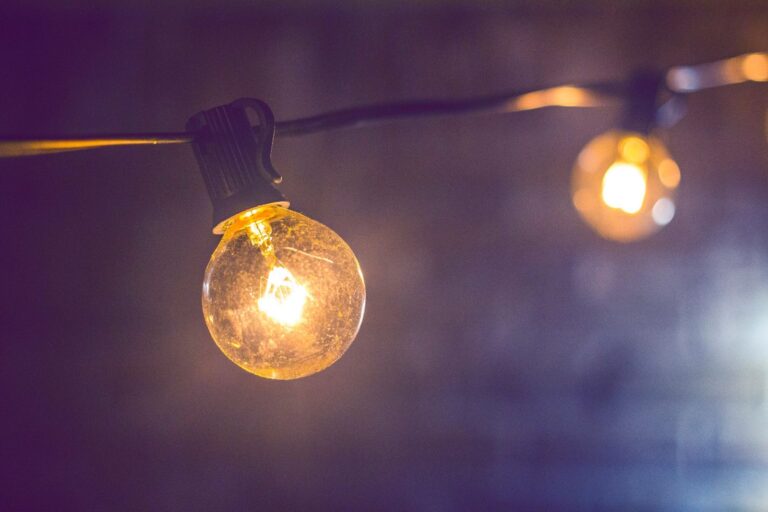
Nikola Tesla demonstrated alternating current at the 1893 Chicago World's Fair by lighting 200,000 incandescent bulbs from a single Westinghouse generator, undercutting Edison's DC bid by roughly half and effectively deciding which current would carry electricity into every home on the planet for the next 130 years.
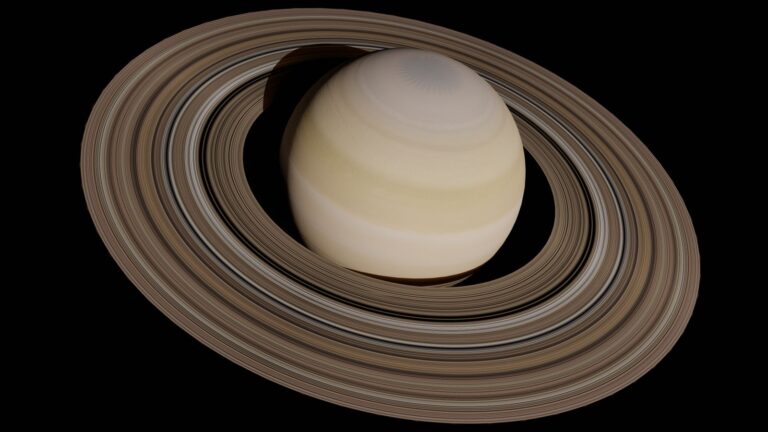
Titan's atmosphere is roughly four times denser than Earth's while its gravity is only one-seventh as strong, which means a human standing on Saturn's largest moon could strap wings to their arms and, in principle, take off under their own muscle power
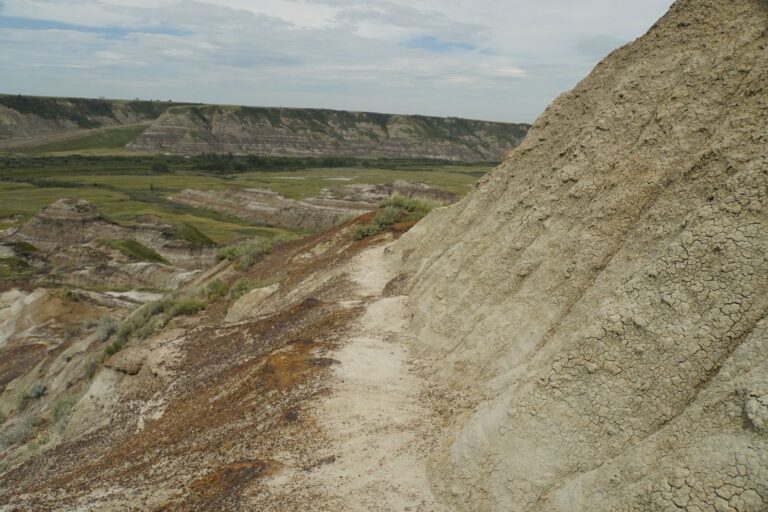
A fossil bed in North Dakota preserves fish with Chicxulub impact glass trapped in their gills, evidence they were alive as asteroid debris fell 3,000 kilometres from the crater during the first hour or two after the strike that ended the age of non-avian dinosaurs
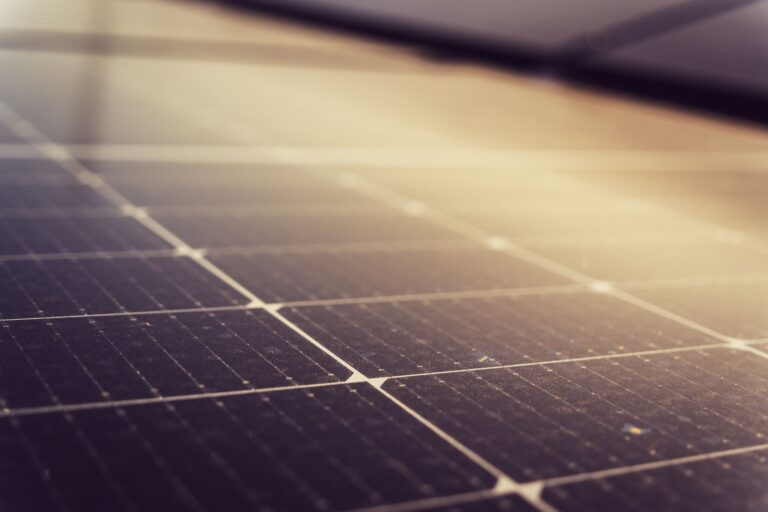
Fraunhofer ISE achieves record 31.3% outdoor solar-to-hydrogen efficiency
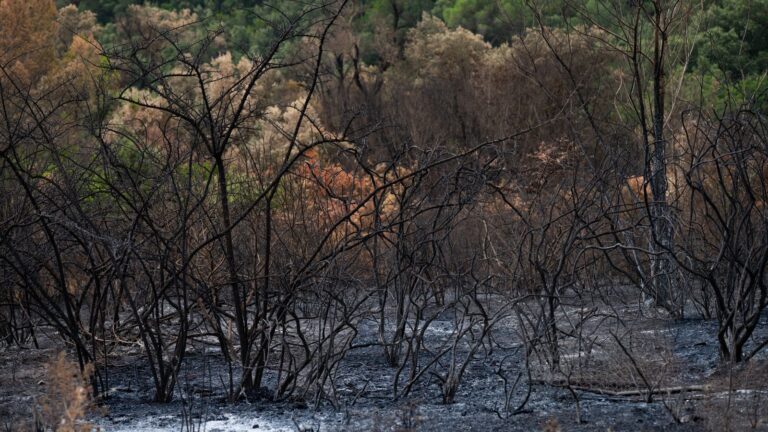
How did a Central American country smaller than West Virginia go from barely one-fifth forest cover to trees covering more than half its land in a single generation?
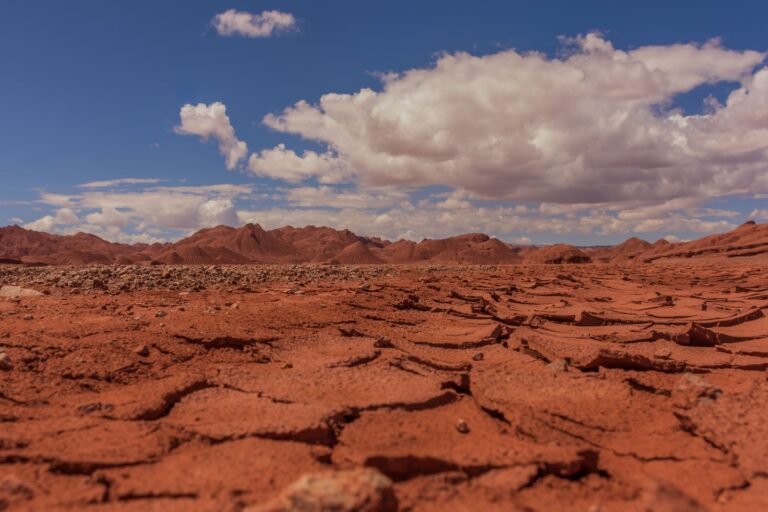
How did a Soviet lander survive 127 minutes on the surface of a planet where the air pressure crushes submarines and the ambient heat melts lead?
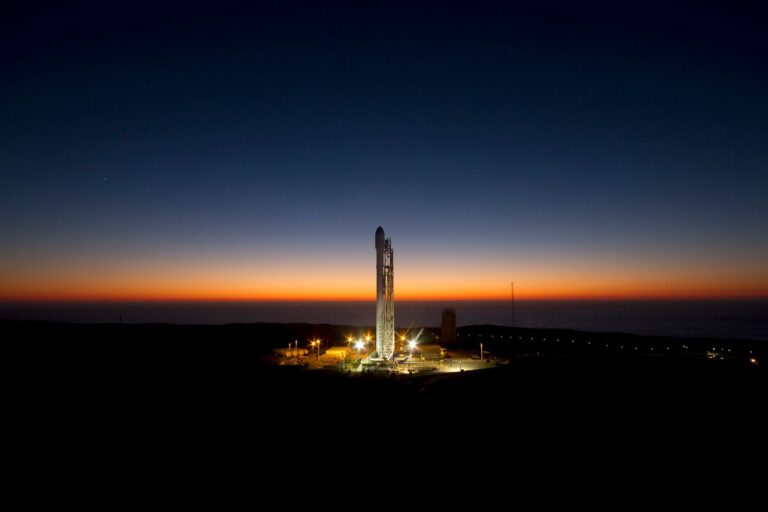
How did a captured wartime rocket, fired straight up from a New Mexico desert range in 1946, return the first photograph of Earth taken from above the atmosphere?
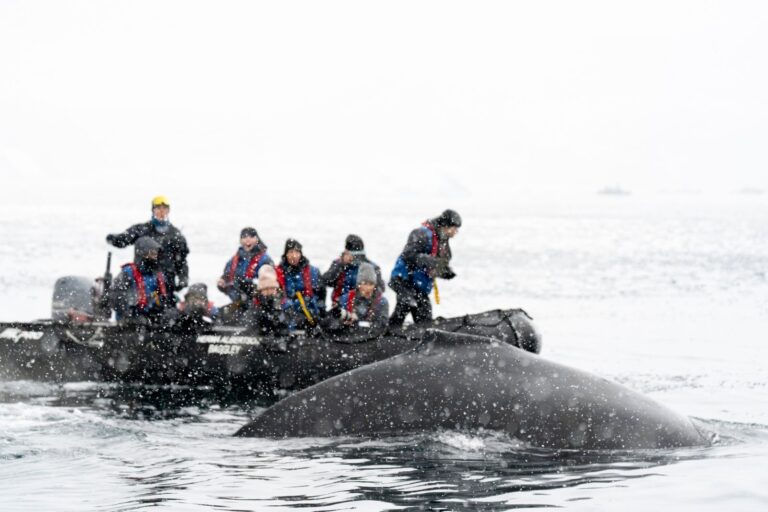
A bowhead whale killed off Alaska in 2007 had likely carried a brass bomb-lance fragment in its shoulder since around 1890, evidence of a failed whaling strike more than a century earlier