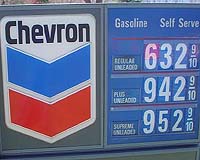
Higher energy prices and the certainty of additional increases in the coming years are affecting Pennsylvanias consumers and businesses, said Environmental Protection Secretary Kathleen A. McGinty during a town hall meeting. The secretary outlined how the commonwealth can help energy consumers mitigate these price increases while growing its economy by enacting Governor Edward G. Rendells Energy Independence Strategy, which is awaiting action in the Senate.
Higher energy prices are impacting our way of life and the ability of our businesses to grow and compete, said McGinty. Whats more, the double-digit increases in electricity costs and higher fuel prices that we see in our monthly bills and at the pump are also affecting the prices we pay for food and other goods.
Its been nearly 15 months since the Governor unveiled his Energy Independence Strategy, and since then, energy prices have only gone up. We need to act now to equip our families and businesses with the tools and information they need to avoid these crippling, budget-busting increases in energy costs.
At the same time, we need to invest in a clean, renewable energy future to diversify our energy supply and create the skilled jobs that are associated with this rapidly growing industry.
The town hall meeting was part of the Campaign for Great Green Jobs sponsored by Citizens for Pennsylvanias Future (PennFuture). Also represented at todays meeting were representatives of a Pennsylvania-based solar power installer, a home energy auditor, and Iberdrola, the largest owner and operator of renewable energy facilities in the world.
Iberdrolas North American headquarters is located in Radnor.
The Great Green Jobs campaign was launched to encourage legislative action on two bills embodying Governor Rendells Energy Independence StrategyHouse Bill 2200 and Special Session House Bill 1.
H.B. 2200 will help consumers save on their energy bills by conserving electricity and using it more efficiently. S.H.B. 1 will target $850 million in state resources to attract $3.5 billion in private investment from the alternative and renewable energy industries.
Both bills are awaiting action in the Senate after being approved overwhelmingly in the House of Representatives.
Secretary McGinty also urged action on H.B. 1202, or Governor Rendells PennSecurity Fuels Initiative legislation. The bill, which has been awaiting action by the Senate since June, will require nearly 1 billion gallons of biofuels to be produced and consumed in the commonwealth.
By 2017, 1 billion gallons will equal what the state is expected to import from the Persian Gulf.
A study commissioned for PennFuture by LECG LLC examined the benefits of offsetting 900 million gallons of petroleum-based transportation fuel with renewable and coal-derived fuels by 2017, as called for in the Governors plan. The study concluded that the plan would add nearly $1.5 billion to Pennsylvanias economy, create as many as 25,775 new jobs in all sectors of the Pennsylvania economy and put an additional $6.6 billion into the pockets of Pennsylvanians over the next decade.
The competition among states and nations to attract renewable energy companies and the jobs they create is intense, said McGinty. Pennsylvania, through its strategic investments and progressive policies, has been a leader in building a new energy economy. Weve attracted $1 billion in new investments and helped to create 3,000 new jobs in the rapidly growing alternative and renewable energy sectors.
And that could just be the beginning. Under Governor Rendells plan, which is awaiting action in the Senate, we could create thousands of additional jobs in these fields. These are skilled positions – jobs like manufacturing, research and development, operations and maintenance and construction positions – that will pay a family sustaining wage and help us build a cleaner, energy independent future.
But we must act now, because other states and nations are lining up for these projects and these jobs, said the secretary. To wait any longer than four years to make these critical investments will mean that Pennsylvania will miss out on this opportunity.