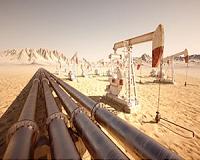
The U.S. Commerce Department has been called on to extend relief to parts of the U.S. steel sector to ensure energy pipelines are affordable, a trade group said.
The Commerce Department last week said it was following through with a "well-thought-out process" by moving ahead with tariffs on steel and aluminum. U.S. President Donald Trump signed off on the tariffs, saying they were necessary to protect national security and critical industries.
Parts of the energy sector disagree. Before the Commerce Department defended the move last week, Jack Gerard, the president and CEO of the American Petroleum Institute, said the president's announcement of a 25 percent tariff on steel imports and a 10 percent tariff for aluminum was inconsistent with Trump's goal of U.S. energy dominance.
The U.S. Association of Oil Pipe Lines, meanwhile, said the administration should use caution when considering new tariffs. Hundreds of millions of dollars could be added to the cost of major pipeline projects like Keystone XL and take jobs out of the U.S. economy.
The Trump Administration has since offered exemptions to some U.S. trade partners and John Stoody, a spokesman for the pipeline trade group, said domestic industries deserve relief as well.
"Our analysis shows pipeline-grade steel, pipe and fittings are insufficiently available from U.S. producers and will rely on the Commerce Department exemption process to keep our projects moving forward and American pipeline workers on the job," he told UPI.
In one of his first moves in office, Trump facilitated the approval process for the Dakota Access and Keystone XL oil pipelines. Sandy Fielden, the director for oil and products research at Morningstar, said earlier this month that steel tariffs in particular could throttle the U.S. energy sector because of the increase for pipeline projects like Keystone XL.
Adding a 25 percent tariff to steel would increase the cost of U.S. pipelines significantly, he said. Oil and gas companies, meanwhile, could be forced to cancel projects because of the higher price for steel.
The AOPL said pipeline-grade steel is a niche industry that U.S. manufacturers have left because of the higher costs and lower margins, compared to other sectors like automotive.