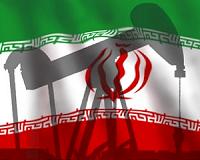
With new U.S. sanctions on Iran taking effect Monday, the U.S. secretary of state said it would take immense changes from Tehran to avoid further pressure.
Iran under the new sanctions is barred from purchasing or acquiring U.S. dollars and limited in what it can do with its own currency, the rial, outside of Iranian territory, making it exceptionally difficult for Tehran to conduct business.
With its oil customers already backing away ahead of the next round of sanctions in November, Iran is facing difficult economic challenges.
The sanctions clock started ticking in May when U.S. President Donald Trump pulled out of the multilateral agreement that eased sanctions pressure on the third-largest producer in the Organization of Petroleum Exporting Countries in exchange for commitments to scale back its nuclear ambitions.
Speaking Sunday, U.S. Secretary of State Mike Pompeo said there was still a chance for diplomacy.
"We're very hopeful that we can find a way to move forward, but it's going to require enormous change on the part of the Iranian regime," he said in remarks to the press.
Trump has said the nuclear agreement was flawed and Pompeo claimed Sunday that Iran was the world's largest state sponsor of terrorism.
By Tuesday, the Iranian Central Bank said new measures on foreign currencies will take effect.
"Bringing foreign currencies and raw gold into the country, according to the Central Bank laws, is legal and exempt from value-added tax and legal duties," Abdolnasser Hemmati, the head of the Central Bank of Iran, was quoted in the official Islamic Republic News Agency as saying.
Hemmati replaced Central Bank Gov. Valiollah Seif, who led the bank since 2013, in July. In May, Trump included Seif on the list of designated terrorists for his alleged financial support for Lebanese militant and political group Hezbollah.
According to S&P Global Platts, Iranian oil production is already under pressure because of approaching sanctions. Production in July of 3.72 million barrels per day was the lowest since January 2017.
November sanctions could isolate Iranian oil from the market.