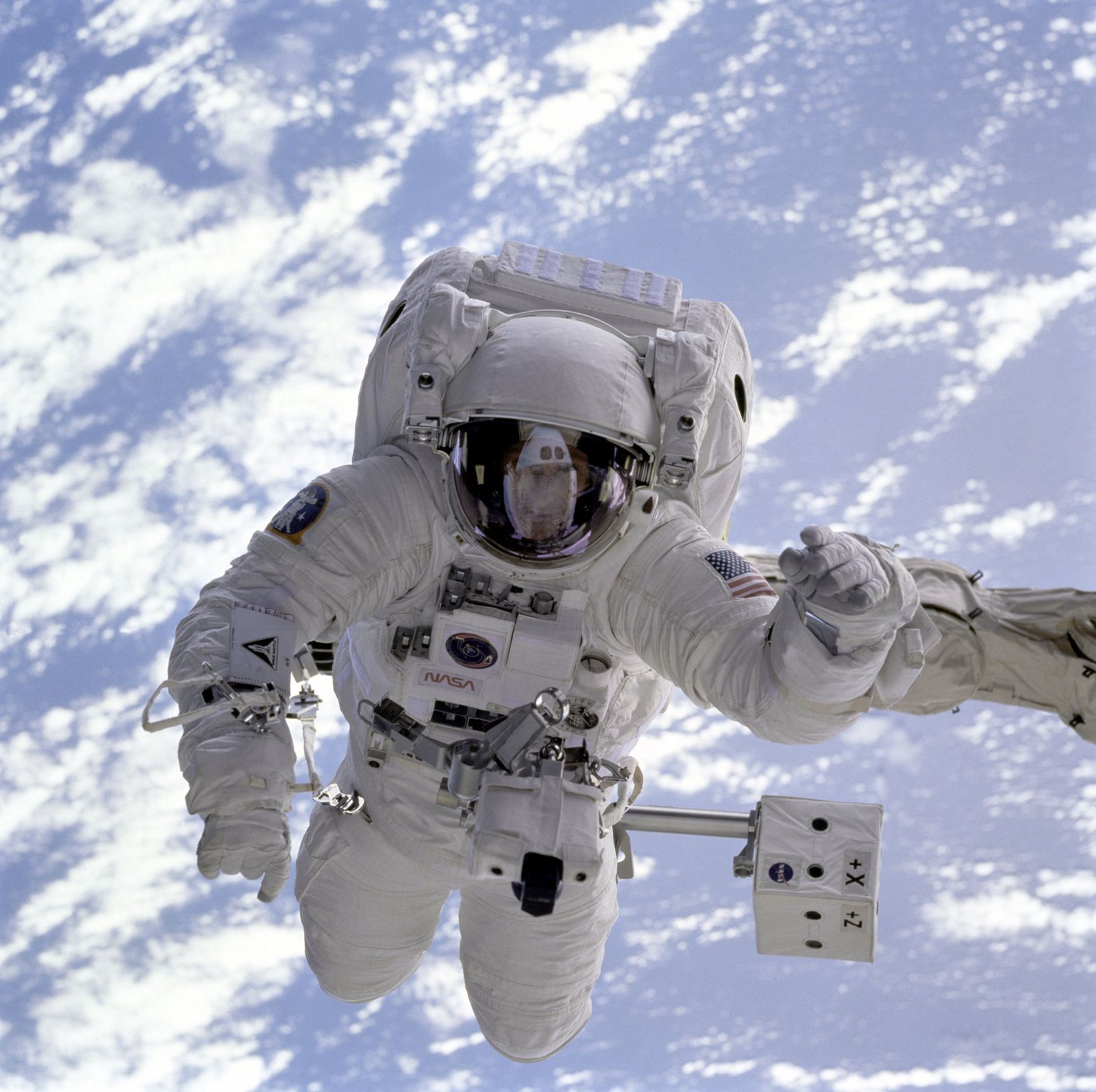
On 12 April 1961, 27-year-old Soviet pilot Yuri Gagarin climbed into the spherical Vostok 1 capsule at Baikonur in Kazakhstan and became the first human to orbit Earth. The official FAI record describes one complete orbit and a total flight lasting 108 minutes, ending after Gagarin ejected from the capsule and descended by parachute.
Sixty years later, German ESA astronaut Matthias Maurer travelled aboard SpaceX’s Crew Dragon on the Crew-3 mission. ESA subsequently identified Maurer as the 600th human to fly to space.
By July 2022, only 27 people had been documented as reaching Challenger Deep, the deepest known point in the ocean. Even using that later ocean figure, the number of humans who had flown to space was more than 22 times larger.
108 minutes that reset the Cold War
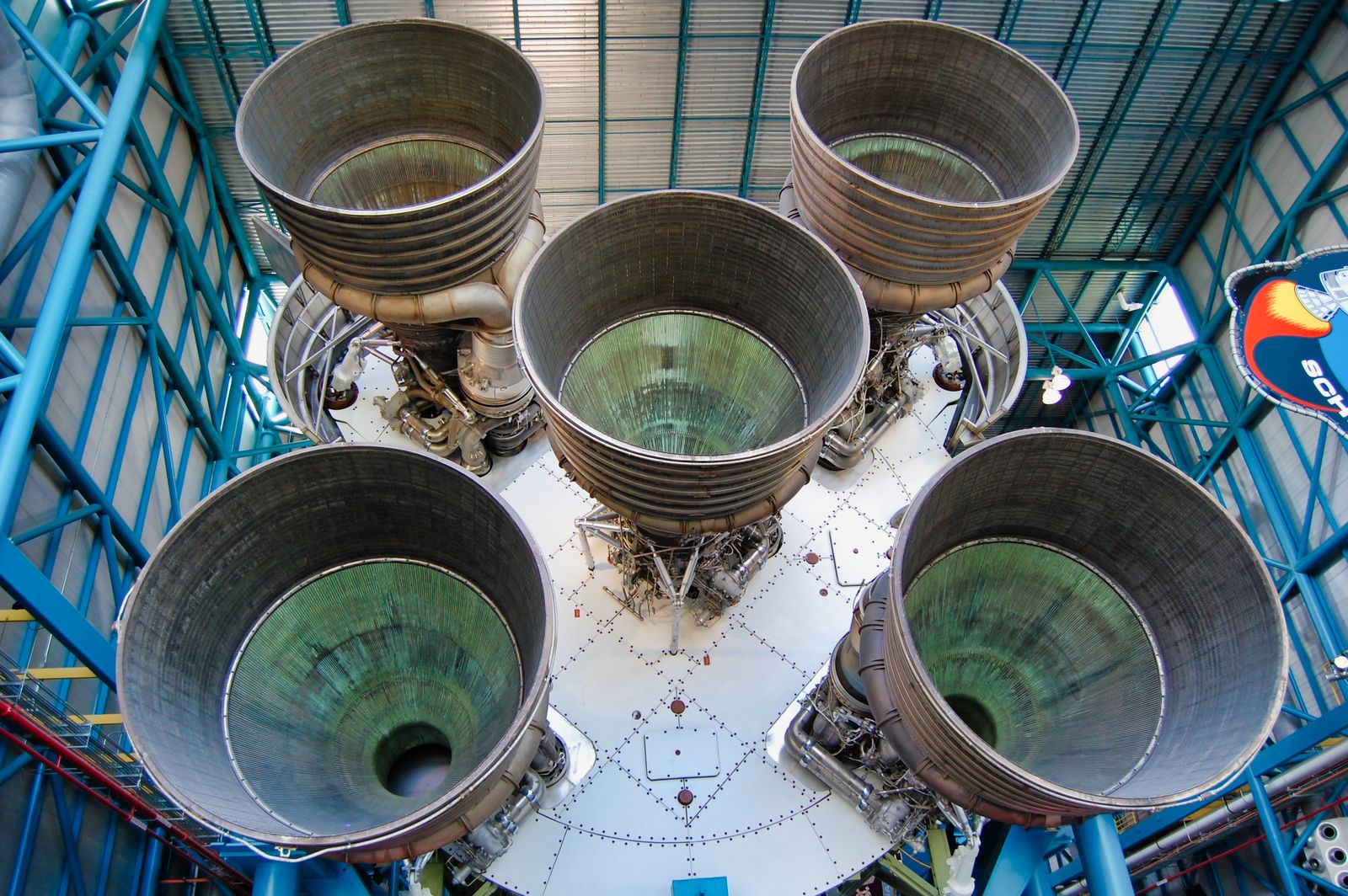
Vostok 1’s roughly 2.3-metre-wide descent module was attached to an equipment section and launched by a Vostok rocket developed from the Soviet R-7 family. Gagarin reached orbit, travelled once around Earth and returned toward Kazakhstan.
Much of the mission was automatic. Soviet engineers were unsure how a person would function in weightlessness, and Gagarin had limited control over the spacecraft. A verified HistoryExtra account of the mission and its aftermath explains that this uncertainty was one reason the flight was heavily automated.
Gagarin ejected from the capsule during the descent and landed by parachute while Vostok came down separately. The complete mission lasted 108 minutes, although the orbital portion was roughly 90 minutes.
Alan Shepard became the first American in space on 5 May 1961, but his 15-minute Mercury flight was suborbital. On 25 May, President John F. Kennedy asked Congress to support the goal of landing a person on the Moon before the decade ended.
From one person to six hundred
The human-spaceflight tally rose slowly during the early 1960s. Gherman Titov spent more than a day in orbit aboard Vostok 2, and Valentina Tereshkova became the first woman in space in June 1963. By the end of the Apollo era, the total number of people who had flown remained measured in dozens.
The Space Shuttle increased the pace after 1981 by carrying large crews, sometimes as many as eight people. Long-duration operations aboard Mir and the International Space Station then made crewed launches a more regular part of spaceflight.
Commercial spacecraft added another route. Crew Dragon carried Maurer, Raja Chari, Thomas Marshburn and Kayla Barron on Crew-3, while separate suborbital and private orbital missions expanded the definition and composition of the spacefaring population.
Maurer’s milestone was still extraordinary. Humanity had gone from one orbital traveller to 600 people who had crossed a recognised space boundary within slightly more than 60 years.
The ocean’s much smaller ledger
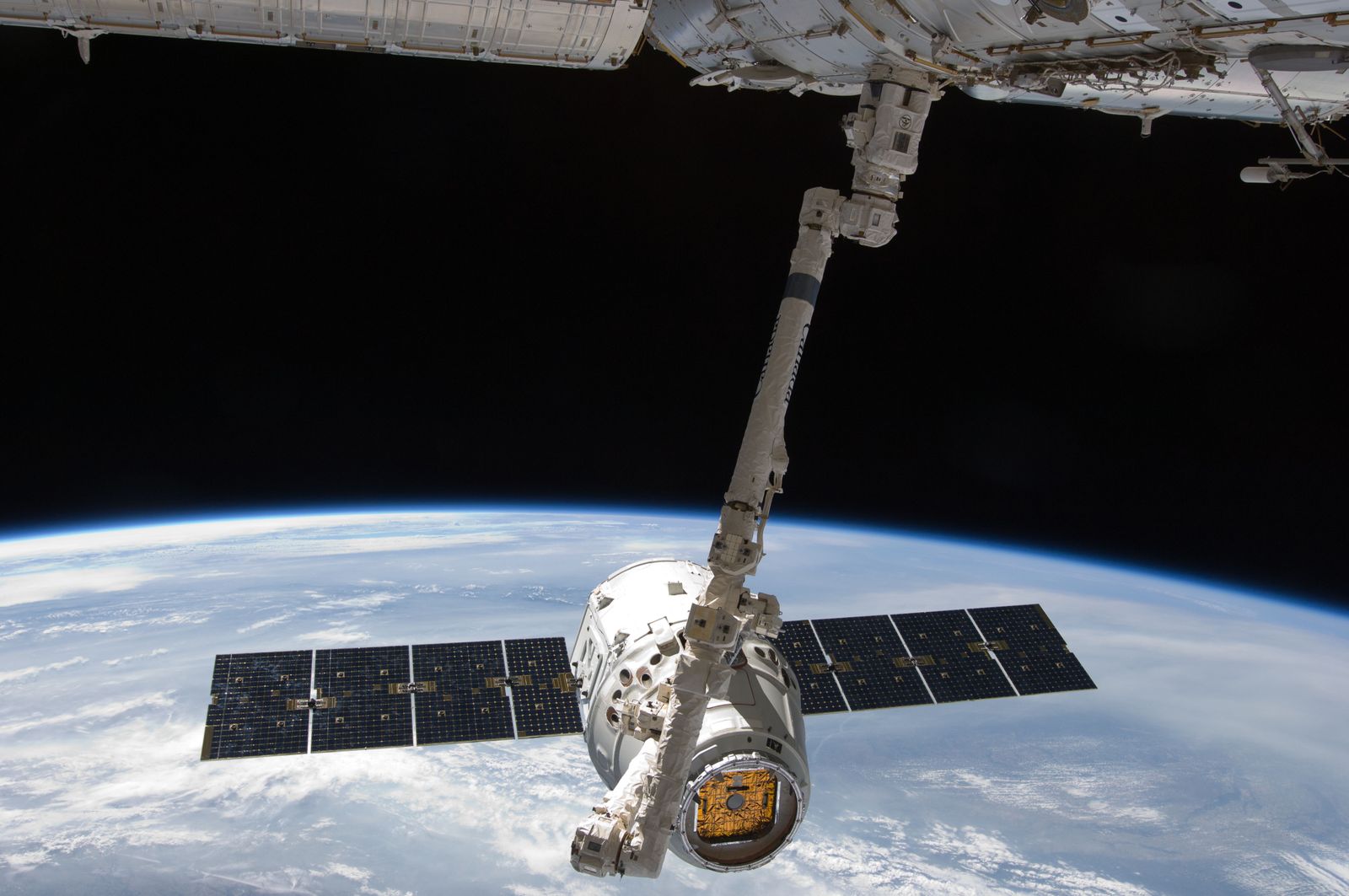
Challenger Deep lies within the Mariana Trench in the western Pacific and reaches almost 11 kilometres below sea level. At that depth, the surrounding water produces pressure exceeding 1,000 times normal atmospheric pressure.
Jacques Piccard and US Navy Lieutenant Don Walsh reached the bottom aboard the bathyscaphe Trieste on 23 January 1960, about 15 months before Gagarin’s flight. No one returned for 52 years. James Cameron finally made a solo descent in Deepsea Challenger on 25 March 2012.
A new period of repeatable exploration began in 2019 when Victor Vescovo and the Limiting Factor team completed multiple full-ocean-depth dives. The vessel subsequently carried scientists, engineers, explorers and private expedition participants to different parts of Challenger Deep.
On 12 July 2022, oceanographer Dawn Wright descended with Vescovo. An Esri account of Wright’s expedition identified her as one of only 27 people who had visited Challenger Deep.
That count belongs to July 2022, not to the date of Maurer’s November 2021 launch. The comparison nevertheless remains striking: by the time the Challenger Deep ledger reached 27, the human-spaceflight total had already passed 600, leaving a ratio greater than 22 to one.
Why pressure makes the downward journey punishing
Spacecraft and deep-diving submersibles face very different engineering problems. During launch and reentry, spacecraft must survive acceleration, vibration, aerodynamic forces and extreme heating. In orbit, a pressurised cabin must contain its atmosphere against the near-vacuum outside.
A submersible descending toward Challenger Deep faces pressure pushing inward from every direction, and that pressure increases continuously with depth. Its crew compartment must resist this external load while preserving a habitable environment inside.
A sphere distributes pressure more evenly than a box-shaped compartment, which is why full-ocean-depth crew cabins are compact and rounded. Limiting Factor uses a thick forged-titanium pressure hull designed for two occupants.
Triton Submarines describes the Triton 36000/2 design used for Limiting Factor as the first and only crewed submersible certified to full ocean depth. That certification and the vessel’s record of repeated dives made it a decisive break from earlier one-off descent vehicles.
The map that remains unfinished
National competition gave human spaceflight an enormous financial and political engine. Gagarin’s mission became evidence that the Soviet Union had moved ahead in the Space Race, while the United States responded with the Mercury, Gemini and Apollo programmes.
Deep-ocean exploration never attracted a comparable race between superpowers. It developed through naval programmes, scientific institutions, private expeditions and specialised engineering projects rather than a single national objective on the scale of a crewed Moon landing.
The resulting knowledge gap remains substantial. In June 2025, the Nippon Foundation-GEBCO Seabed 2030 Project reported that 27.3% of the world’s ocean floor had been mapped to modern standards.
Satellite measurements provide a broad global picture of seafloor topography, but they cannot replace detailed ship-based multibeam sonar. Challenger Deep represents the extreme end of that challenge: a remote, narrow and intensely pressurised environment where even routine measurements demand specialised equipment.
The man on the world tour
Gagarin’s fame after Vostok 1 quickly became a demanding second career. Soviet officials sent him around the world as the approachable face of their technological achievement, arranging meetings with workers, politicians and royal families.
He travelled to Britain in July 1961, three months after his orbit, and met Queen Elizabeth II and other members of the royal family. He also visited Manchester, where crowds gathered in heavy rain and where his programme included meetings with foundry workers.
The visit carried obvious ideological symbolism. Friedrich Engels had lived and worked in Manchester while studying the conditions of its industrial workforce, and Gagarin also visited Karl Marx’s grave at Highgate Cemetery.
Accounts of the tour describe Gagarin as more interested in speaking with ordinary people than in moving through an endless schedule of formal receptions. The international travel was exhausting, but his informal manner helped turn a Soviet military pilot into a global celebrity.
Gagarin died in a jet training accident near Moscow in March 1968. He was 34 and never made a second spaceflight.
What the number 600 actually contains
The count of people who have entered space depends partly on where space is considered to begin. The Fédération Aéronautique Internationale has traditionally used the 100-kilometre Kármán line, while US organisations have awarded astronaut recognition for some flights exceeding 80 kilometres.
NASA notes that there is no sharp physical boundary between the atmosphere and space. The agency’s explanation presents both 80 kilometres and 100 kilometres as thresholds used for spaceflight purposes.
This distinction affects the treatment of some suborbital missions. Blue Origin’s New Shepard flies above 100 kilometres, while Virgin Galactic’s SpaceShipTwo flights have crossed 80 kilometres without reaching the Kármán line. Lists using different standards therefore produce different totals.
ESA’s description of Maurer as the 600th human provides the basis for the milestone used here. Other counting systems may place an adjacent traveller at that position, but none changes the scale of the comparison with Challenger Deep.
The sphere and the field near the Volga
Vostok 1 carried one occupant and relied heavily on automated systems. It followed Sputnik 1, the first artificial satellite, by only three and a half years, compressing the distance between an orbiting radio transmitter and a human orbital mission into an astonishingly short period.
The path from Gagarin in April 1961 to Maurer’s milestone in November 2021 took more than six decades. The path from Piccard and Walsh in 1960 to repeatable full-ocean-depth diving took almost as long, and it has still carried only a small group of people to Challenger Deep.
During his flight, Gagarin crossed from daylight into darkness and emerged into sunlight again before returning to Earth. He described the planet’s atmosphere as a blue halo against the darkness of space, a sight no human had reported from orbit before him.
For those 108 minutes, Gagarin was the only human in space. By Maurer’s flight, 599 others had followed. The number of people who had personally reached the deepest known point in the ocean remained tiny by comparison, leaving one of Earth’s most extreme environments far less visited than space above it.