
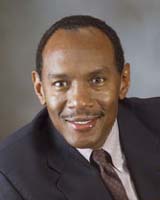
A nationally known trauma expert and member of the research team that released the results of a comprehensive mental health study of Hurricane Katrina survivors suggests the publication of the findings is an excellent opportunity to make meaningful and lasting changes in disaster preparedness and recovery.
"We want to continue to build on people's optimism, hope and strength," said Russell T. Jones, professor of psychology at Virginia Tech and researcher on the multi-year million dollar study by Harvard Medical School and funded by the National Institutes of Mental Health.
Jones is crusading for a new level of emergency preparedness across the nation that brings social service professionals, government leaders, health professionals, educators and others together in partnership to achieve what he calls the "gimbal" effect of maximal thrust and maximal efficiency.
Jones is also working to raise the awareness of disparities in areas such as housing, education, and employment that he says existed before Hurricane Katrina and were made even worse by the disaster. He and three prominent colleagues from across the country are conducting training for crisis workers in the Gulf states to educate them in cultural and diversity sensitivities to help build trust and encourage victims to be more receiving of assistance.
The results of a comprehensive mental health study of Hurricane Katrina survivors found the proportion of people with serious mental health illness doubled in the months after the hurricane compared to a survey carried out several years before the hurricane; however, thoughts of suicide among the same population did not increase.
"The levels of suicidality were lower than we anticipated following a traumatic event," Jones said. "What we see is something called post traumatic growth playing a very important role here."
According to the study, most respondents: (88 percent) said they felt a deeper sense of meaning in their life since the disaster; (83 percent) realized they had greater inner strength than they thought they had; and (over 80 percent) felt they had a greater ability to rebuild their lives than they first thought.
"We don't know how stable these beliefs will be over time," Jones said. "To the extent that these individuals' expectations are met, they may continue to be optimistic."
Jones pointed out the importance that the Harvard study will follow the same group of individuals over several years. "The study of disaster victims over time is critical," Jones said. "Less than five percent of studies follow disaster victims more than a year after the event."
