
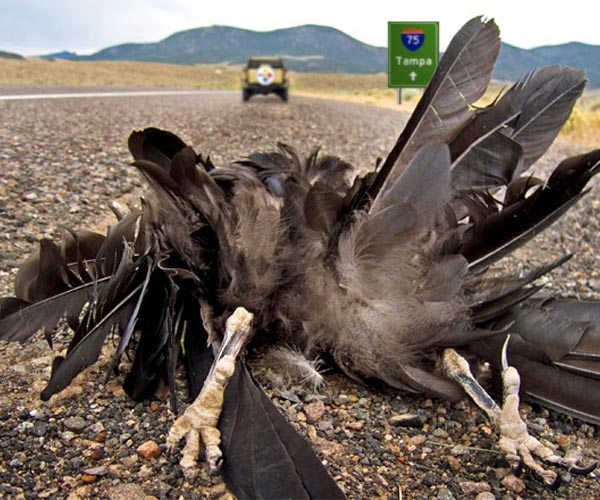
A new study published in 'Science' reveals that human activity has driven the extinction of hundreds of bird species over the last 130,000 years, causing significant reductions in avian functional diversity- the variety of roles birds play in ecosystems. The study estimates that this loss has erased approximately 3 billion years of unique evolutionary history.
While humans have been contributing to the global erosion of species for millennia, the broader consequences of these extinctions for biodiversity have been less understood. The research, led by the University of Birmingham, emphasizes the critical importance of identifying the ecological functions lost through these extinctions, signaling an urgent need for action in the ongoing biodiversity crisis.
The paper, titled "The global loss of avian functional and phylogenetic diversity from anthropogenic extinctions," uses an extensive dataset of known bird extinctions dating back to the Late Pleistocene. Lead author Dr. Tom Matthews explained: "The sheer number of bird species that have become extinct is of course a big part of the extinction crisis but what we also need to focus on is that every species has a job or function within the environment and therefore plays a really important role in its ecosystem."
He added, "When those species die out, the important role that they play (the functional diversity) dies with them. In addition to functional diversity, each species also carries a certain amount of evolutionary history, therefore when that species becomes extinct, it's basically like chopping off a branch of the tree of life and all of that associated phylogenetic diversity is also lost."
The study highlights the loss of 7% of global avian functional diversity, a much larger figure than anticipated, given the number of extinctions. This reduction in bird diversity has broad ecological consequences, including diminished pollination, seed dispersal, pest control, and increased risks of disease outbreaks due to reduced scavenging activity. Furthermore, the downsizing of the bird population could hinder many plant species' ability to adapt to climate change.
Dr. Matthews concluded, "These results are a timely reminder that the current extinction crisis is not just about species numbers. By identifying declines in avian functional and phylogenetic diversity driven by human actions, our findings highlight the urgent need to understand and predict the impacts of past anthropogenic extinctions on ecosystem function in order to prepare for the magnitude of expected future loss from the projected 1,000 bird species that are expected to die out completely over the next two centuries."
Research Report:The global loss of avian functional and phylogenetic diversity from anthropogenic extinctions
