
A comprehensive study led by Veronika Mitterwallner at the University of Bayreuth, published in PLOS ONE, highlights a significant decrease in annual snow cover days at ski resorts worldwide due to climate change, forecasting a stark future for the industry. The research encompasses seven critical skiing regions: the European Alps, Andes Mountains, Appalachian Mountains, Australian Alps, Japanese Alps, Southern Alps, and Rocky Mountains.
By analyzing data from OpenStreetMap and the CHELSA climate database, the study provides projections for snow cover days in these areas across three future periods: 2011-2040, 2041-2070, and 2071-2100, under varying carbon emissions scenarios.
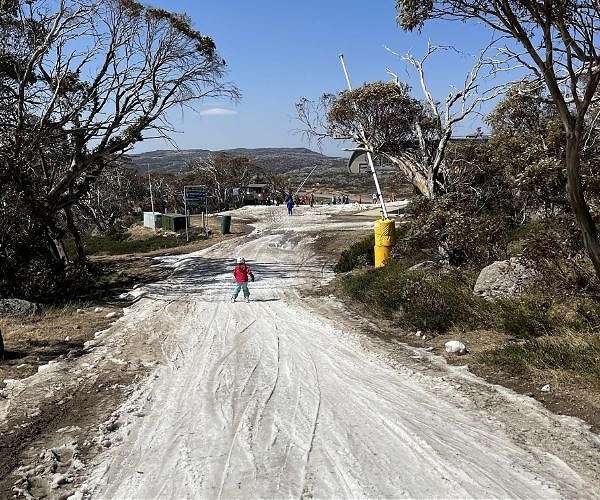
Results indicate a dire outlook under high emissions scenarios, with a projected 13% of ski resorts facing a complete loss of natural snow cover by 2071-2100. Furthermore, 20% could lose over half of their snow cover days annually. The decline in snow cover is most severe in the Australian Alps (78%) and Southern Alps (51%), followed by substantial decreases in the Japanese Alps, Andes, European Alps, and Appalachian Mountains. The Rocky Mountains are expected to fare slightly better, with a 23% reduction.
The study warns of potential environmental and economic repercussions, including displacement of ski resorts into undeveloped areas, threatening sensitive alpine ecosystems. It also critiques the sustainability of artificial snow production, suggesting it as an insufficient countermeasure to the broader challenges posed by diminishing natural snowfall. The analysis foresees a decrease in the economic viability of ski resorts worldwide, underscoring the urgent need for climate action.
The authors state, "This study reveals significant future losses in natural snow cover of current ski areas worldwide, highlighting the impending spatial shifts in ski area distributions and the potential threats to high-elevation ecosystems."
Research Report:Global reduction of snow cover in ski areas under climate change
