
When ice builds up on aircraft bodies or engines, it can create a serious situation in flight. The shape of the wing can change, affecting the aerodynamics of the aircraft, and engine icing can result in a stall.
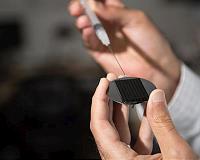
While NASA has spent decades studying the effects of aircraft icing, aerospace researchers are also developing new "icephobic" materials for aircraft components. The idea is to apply coatings that will prevent ice from developing on the aircraft. Working in tandem with an ice protection system, the coatings could be another tool in fighting aircraft icing.
At NASA Glenn, engineers in our Icing Research Tunnel (IRT) are preparing new methods and protocols to test the latest icephobic coatings.
"We are developing test methods that are repeatable and controlled, so coating developers will be able to walk away with significant data on the effectiveness of their anti-icing surfaces," says Eric Kreeger, NASA Glenn researcher.
Kreeger says the IRT is the perfect place to test new coatings because it allows researchers to create many different ice conditions found at various altitudes by calibrating cloud conditions, humidity, temperatures and winds.
Finland issues RFI for aircraft weapons, equipment
A Request for Information about weapons and other equipment for Finland's HX fighter project has been sent by Finland to seven countries.
Finnish Defense Forces said the requests were sent to France, Germany, Britain, Israel, Norway, Sweden and the United States, and are to be forwarded to their respective industries.
A request for a quotation, or RfQ, will be drawn up on the bas … read more
