
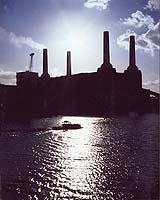
Nuclear power is not the only solution to Britain's energy needs, and cash must be invested in new gas-fired power stations, lawmakers warned in a report published Sunday.
The country could face electricity black-outs unless an "extensive programme" of new gas power stations is launched, alongside moves towards renewable energy sources such as wind power, the Commons Environmental Audit Committee said.
The government's review into Britain's future energy supplies — due for publication later this year — is widely expected to recommend reviving Britain's nuclear power programme.
With the first of any new nuclear plants not coming on stream until 2017 at the earliest, it could take until 2030 for full generating capacity of such a programme to become available.
And with almost one quarter of Britain's current energy generating capacity due to be decommissioned by 2016, the committee said that the country would face a "generating gap" which could be filled by new gas-fired power stations.
"Over the next nine years, therefore, very substantial investment in new generating capacity and energy efficiency will be required if the lights are to stay on — even in the absence of demand growth," the report said.
British Prime Minister Tony Blair, who is widely believed to be in favour of a revival of nuclear power, ordered a review into the country's future energy supplies late last year.
He said at the time that urgent action was needed because of rising energy prices, dwindling North Sea gas and oil supplies and to counter the effects of climate change.
Britain currently has around a dozen nuclear power stations, most of them built in the 1960s and 1970s, providing around 25 percent of the country's electricity. Natural gas provides about 40 percent.
Source: Agence France-Presse
