
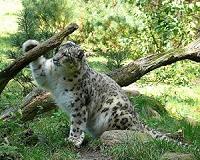
Several infections are posing a threat to the wild snow leopard population, along with people and other animals surrounding their habitat, new research shows.
Researchers identified antibodies from pathogens in the blood of wild snow leopards they say could pose a threat to the species, according to a study published Thursday in Infection Ecology & Epidemiology.
"A disease epidemic could be devastating to wild snow leopards due to their low numbers and many other threats to their existence," Carol Esson, a researcher at James Cook University in Australia and study lead author, said in a news release.
The death of four snow leopards due to unexplained causes in the South Gobi Province of Mongolia in 2011 led to this current study on the impact of zoonotic pathogens on animal conservation.
When researchers studied 20 snow leopards between 2008 and 2015, they detected zoonotic pathogens in the antibodies of their blood samples.
Focusing on disease-causing pathogens that pass between species, the researchers found several pathogens that can transmit to humans, such as Coxiella burnetii, which can also bring on Q fever in livestock; Leptospira species, which can transfer to people and develop into potentially life-threatening infections; and Toxoplasma gondii, a parasite that can cause toxoplasmosis.
"Although the zoonotic pathogens identified in this study did not appear to cause illness to the snow leopards in the short term, they have caused illness in other wild cats," Esson said. "And so, there is now a need to establish surveillance to monitor for potential longer-term disease impacts on this vulnerable population."
The current snow leopard population stands at 4,000. But threats such as habitat loss, the effects of climate change, conflict with herders and poaching in their native mountain area in Central Asia could also contribute to pulling down that number.
"Raising awareness in local communities about the possibility of illness in their animals and themselves could lead to improvements to herd health, boosting their productivity and income," Esson said.
Leopard kills toddler in S.Africa's Kruger park
Johannesburg (AFP) June 6, 2019 –
A leopard killed a two-year-old boy inside a fenced-off staff compound at South Africa's Kruger national park, officials said Thursday.
"The toddler was only 30-months-old," the park said in a statement. "The boy was certified dead by doctors at the Shongwe hospital after being rushed there by family members."
The leopard attacked the boy on Wednesday evening after getting into the staff living quarters, which are separated from the rest of the park by an electrified fence.
A team of rangers hunted down the leopard and shot it dead to avoid the risk of a repeat, said the park, adding the big cat may have attacked as it was too accustomed to contact with humans.
"In parks like the KNP (Kruger National Park) predators do interact with tourists and staff and at times it may result in species like leopard getting habituated to people and losing their fear," the park said.
"The change in natural behaviour can then lead to unfortunate incidents such as this."
The KNP said attacks were a danger faced by all staff and family members living and working in the park, but were very rare.
"This is the risk we live with on a daily basis as we help conserve our species for the benefit of all," said Fundisile Mketeni, head of South African National Parks, offering condolences to the boy's family.
Kruger covers nearly two million hectares (4.9 million acres) and is home to over 500 bird species and 147 mammal species.
The attack occurred near Crocodile Bridge, a tourist rest camp near the park's southern boundary.
