
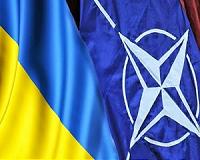
NATO leadership signed an agreement with the Ukrainian government outlining a roadmap to modernize the country's defense industry and capabilities.
The NATO-Ukraine Defense-Technical Co-Operation agreement was co-signed by NATO Assistant Secretary General for Defense Investment Patrick Auroy and Ukraine Defense Council Oleg Gladkovskyi.
The roadmap of priorities include improving Ukraine's armed forces, cooperation in standardization and codification, and enhancing the country's defense industry. The move comes as Ukraine's government pushes for deeper ties with the alliance.
Additional collaborations between the alliance and Ukraine will focus on defense science and technology. Most of the activities included in the agreement focus on the country's role in working with the Conference of National Armaments Directors.
Ukraine has moved closer to NATO and its member states following its 2014 revolution and the removal of President Viktor Yanukovych, and subsequent armed insurgency from pro-Russian militants. Western militaries from the United States, United Kingdom, and others have responded by providing tactical training and material support for the Ukrainian armed forces.
U.S., Japan agree to host-nation support for U.S. troops
Washington (UPI) Dec 17, 2015 –
Government officials from the United States and Japan have agreed to a five-year host-nation plan to support U.S. armed forces stationed in Japan.
Under the agreement, Japan will spend about $1.6 billion per year to support operational readiness of U.S. troops in the country, where armed forces from both countries regularly conduct military exercises together.
"We both derive significant strategic benefit out of it," Pentagon spokesman Navy Capt. Jeff Davis said. "The alliance has served us well for decades, and we're glad it's going to continue to be positioned going forward for success."
Davis added the cost-sharing agreement will support further training programs, utilities, improving facilities in operation, and help sustain the U.S. military presence in an effort to maintain the balance of power in the region.
The agreement takes effect on April 1, 2016.
