
A Moroccan court has ruled that a member of China's Uyghur Muslim minority, Yidiresi Aishan, can be extradited to China for alleged "terrorist acts", his lawyer told AFP on Thursday.
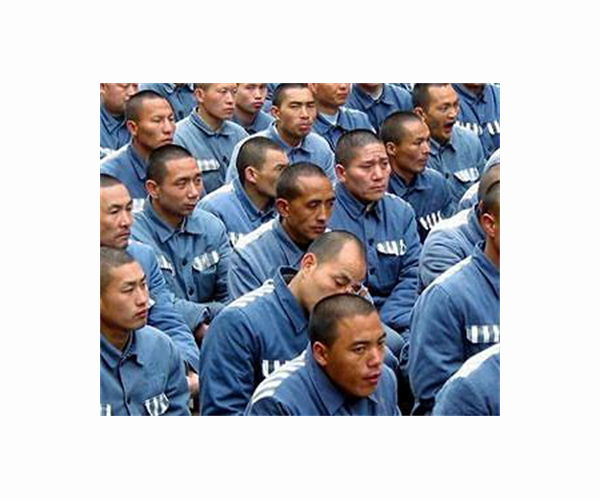
Experts say China may have detained as many as a million Uyghurs in "political re-education camps".
"The judiciary confirmed yesterday that my client would be extradited. We don't yet have the text of the judgement but psychologically it's very hard for him," said the lawyer, Miloud Kandil.
Aishan, a 34-year-old father of three, was arrested on July 19 on arrival at Casablanca airport from Turkey.
China had issued an international arrest warrant for him over alleged "terrorist acts committed in 2017" and accused him of belonging to a terrorist organisation.
The computer engineer has rejected the accusations. He had been based in Turkey with his family since 2012 and had not returned to China since, his lawyer said.
It was not clear when he would be extradited, and Morocco's borders are currently closed as part of Covid-19 measures.
The court of cassation's ruling is final and cannot be appealed.
United Nations human rights experts on Thursday urged Morocco to halt Aishan's extradition, citing "the credible risk of grave violations of his human rights".
His refoulement to China could expose him to "arbitrary detention, enforced disappearance, or torture," said the experts, who are mandated by the UN but independent of the world body.
Rights group Amnesty International said his "imminent extradition is equivalent to refoulement" — the forcible return of refugees or asylum seekers to a country where they are liable to be subjected to persecution.
The group said China was responsible for "massive and systematic abuses against Muslims" in the northwestern Xinjiang region and that Aishan is at "grave risk" of torture upon his return to China.
Aishan was the target of an Interpol red notice, but according to Amnesty the organisation "cancelled the red notice issued in Aishan's case based on new information its secretariat received."
Amnesty said Beijing's accusations were motivated by work Aishan had done for Uyghur rights groups, and warned he could face "arbitrary detention and torture if he is forcibly returned to China."
The United States on Thursday restricted sensitive exports to Chinese biotechnology organisations, accusing them of involvement in unrecedented high-tech surveillance of the Uyghur minority.
That came days after a London panel of rights experts and lawyers concluded that China committed genocide in the Xinjiang region by preventing births in the Uyghur population.
Beijing dismissed their findings.
