
te for Arms Controland International Security, said the talks had involved an "unprecedented exchange" of intelligence on the perceived missile threats, as well as a discussion about confidence-building measures between Russia and the US.
The Russian delegation, led by Deputy Foreign Minister Sergei Kislyak, was not available for comment immediately after the talks.
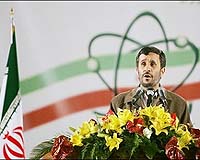
Russian officials earlier this month criticised the anti-missile system after a major US intelligence report downgraded the US intelligence assessment of Iran's nuclear programme.
The threat from Iran had been a pillar of US arguments for building the new defence facilities in the Czech Republic and Poland.
The report by the US intelligence community said that Iran had halted its nuclear weapons programme in 2003 and that US charges about Tehran's atomic goals had been overblown for at least two years.
But the US is still "concerned about Iran's ballistic missile programme," Rood said Thursday.
"We recently saw the Iranian defence minister making public statements with regard to Iran developing two new medium-range ballistic missiles," he noted.
"This statement simply highlights our concerns about the direction of the Iranian ballistic missile programme," he added.
Rood said he would travel to Prague on Friday to resume negotations there on the missile defence system.
The US plans tot install a powerful targeting radar in the Czech Republic and 10 interceptor missiles in Poland by 2012.
