
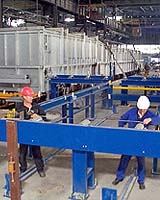
Uzbek health officials urged Russian aluminium giant Rusal on Monday to rethink expansion plans for a Soviet-era plant in neighbouring Tajikistan, saying pollution threatened the health of a densely populated area of Uzbekistan.
Uzbek Deputy Health Minister Bakhtiyor Niyozmatov told journalists at a press conference he was alarmed at Rusal's plans to expand the TadAZ aluminium complex at Tursunzad, 10 kilometres (six miles) from Uzbekistan's eastern border.
"If they increase the output of the factory and build another one it will be an ecological catastrophe," Niyozmatov said.
The plan to upgrade the existing plant and build another beside it emerged after Rusal's chairman Oleg Deripaska accompanied Russian President Vladimir Putin on a trip to Tajikistan last autumn.
Rusal, one of the world's top aluminium and alloy producers, could expect significant cost savings from producing in Tajikistan, an impoverished ex-Soviet nation with plentiful hydropower resources.
Its plans include investing some 560 million dollars (460 million euros) in the Roghun hydropower plant, Russian media reported earlier.
But Uzbek officials and environmentalists said Monday the TadAZ aluminium plant was notorious for the pollution it dispersed mostly into neighbouring Uzbekistan and that the planned upgrades lacked necessary safeguards.
"The plan will be carried out against a background of high levels of sickness among the population due to the dangerous waste produced by the existing aluminium plant," the EKOSAN environmental group said.
Uzbek officials are preparing a report on the expected damaging effects of the expansion before going to the Tajik government with their concerns, Niyozmatov said.
