
Human beings have always been excited by activities that offer a balance of risk and thrill. Take playing casino games as an example. Anytime that players log into online casinos and play games, they have no way of knowing whether they will win or lose – but they know that if their play is successful, a huge dopamine hit awaits them.
Such is the case with many other thrilling yet risky adventures, such as white water rafting, bungee jumping, skydiving, and parasailing. And now, space tourism has become the go-to for people who want to take their love of adventure to a whole new realm. Let's look at what it entails, whether it's worth your investment, and what the future holds for investors.
What is Space Tourism?
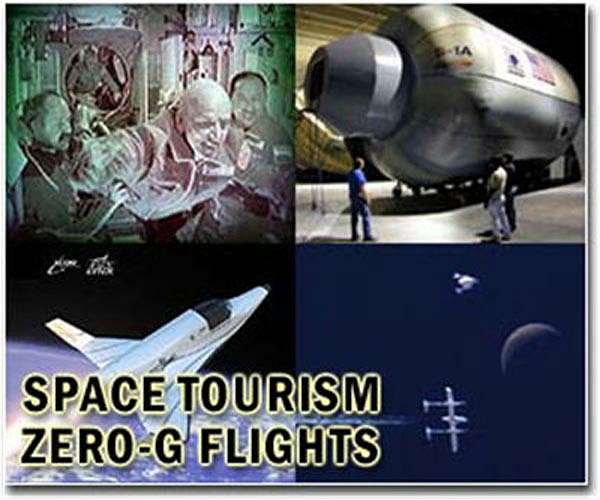
Space tourism encompasses various experiences that aim to offer travelers a feel of living in space. Here are the current options and what makes them so enticing:
+ The suborbital flight: Here, travelers make it to suborbital space, where they can see the curvature of the earth and enjoy that coveted weightlessness feeling before making it back to the earth.
+ The orbital flight: Here, travelers go further into space, with some of these adventures taking travelers all the way to the International Space Station.
The final option is the lunar mission, which is still in the early stages. Once this goes through, travelers will have the chance to visit the Moon and perhaps even land on it – imagine how thrilling that will be!
Is it Risky?
Like with any new travel trend, travelers have been over the moon about the prospects of traveling to space. After all, people have always been curious about what lies in space, and they now have the chance to find out by booking a flight to suborbital space and beyond. Understandably, this has resulted in a lot of attention, not just from the would-be travelers but also from investors who are keen on determining whether this is a good use of their money.
Thus, begs the question, what risks await?
+ The risk of loss of capital. Traveling to space is no easy feat. In fact, the research and development costs are so high that this has been a barrier to entry into the industry, leaving this space to giants like Virgin Galactic. If an investor should inject their funds into such a project and suffer a loss of their capital, the loss would be significant.
+ The risk of accidents. With so many external factors playing a role in the success of flights and missions, investors will not always have control over whether passengers remain safe. If anything should go wrong, investors risk a dent in their reputation, which can translate into a loss of income in the long run.
+ The risk of regulation changes. Governments are always free to adjust their policies based on the prevailing factors. As such, while many authorities are on board at the moment, this support could change over time, which could impact space missions negatively.
Finally, there is the risk of low market demand, which arises in three ways. For one, while people may have shown interest in space travel at this point, that is subject to change based on the success of the first missions and the experiences of other travelers. Secondly, since this is a very niche form of travel, it will attract high-risk takers, which limits market access.
And finally, there is the issue of cost. A space mission is a costly undertaking, and for investors to turn a profit, they will have to pass on the cost of operations to their customers, which will result in higher travel costs that will further impact the market size.
What Does the Future Hold?
There is no denying that space travel will set the pace for much more ambitious travel projects in the future, such as visiting other planets. As such, there is a lot of excitement about it as it presents opportunities for both investors and travelers. Even so, there is a need for due diligence for anyone willing to invest in this growing sector.
