
The international community is not sticking to its promises to lift sanctions on Iran in the wake of the nuclear deal, the country's central bank governor said Friday.
Valiollah Seif said the US-led world powers involved in the negotiations leading up to the agreement continue to set obstacles to its economic revival.
"The impact that we were expecting to get is not what we see, at least on a tangible basis," he told a forum at the Council of Foreign Relations in Washington.
"We still don't have normal conditions, we're still in abnormal conditions."
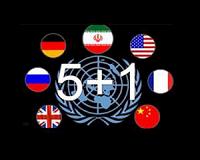
Tehran and the major powers led by the United States agreed in July 2015 to lift sanctions that had locked down much of the Iranian economy for years in exchange for limits on Tehran's nuclear program.
The move allowed the country to resume a high level of oil exports and opened up more trade opportunities. But with the US still maintaining some sanctions on the country, its access to the global financial system remains limited.
Seif, in the US capital for the IMF-World Bank spring meetings, pointed to the reticence of European banks to engage with the country in fear of falling afoul of US sanctions.
"They have been asked not to work with Iranian banks, and they're afraid," he said.
"It's because of the heavy penalties that have been imposed upon then."
A number of leading European banks have been heavily fined by US authorities in recent years for doing banking business with countries under sanctions, including Iran.
France's BNP Paribas had to pay $9 billion in 2014 for breaking such sanctions.
The United States continues to keep Tehran locked out of its banking system, which makes it hard for anyone doing large transactions with the country in US dollars.
"We want both sides of the agreement, especially the US, to take the required measures to remove the obstacles," Seif said.
EU foreign policy chief visits Iran
Tehran (AFP) April 16, 2016 –
The European Union's top diplomat Federica Mogherini arrived in Tehran on Saturday on her first visit since a nuclear deal between Iran and world powers came into force as tensions surface over its implementation.
Mogherini, who was the lead negotiator for the six powers who struck the deal, was accompanied by other top EU officials. She was to meet Iranian Foreign Minister Mohammad Javad Zarif.
Her one-day trip comes after Iran raised concerns about banking sanctions, with officials saying the West, particularly the United States, is still creating hurdles to its access to the global financial system.
On Friday, the governor of Iran's Central Bank said the international community was not sticking to its promises.
"The impact that we were expecting to get is not what we see, at least on a tangible basis," Valiollah Seif told a forum at the Council of Foreign Relations in Washington.
The six powers led by the United States agreed in July last year to lift sanctions that had locked down much of the Iran's economy for years in exchange for limits on Tehran's nuclear programme.
The move allowed Iran to resume a higher level of oil exports when the deal was implemented in January, as well as opening up more trade opportunities.
But with the US still maintaining some sanctions on the country, Iran's access to global finance remains limited.
Seif, in the US capital for the IMF-World Bank spring meetings, pointed to a reluctance by European banks to engage with Iran for fear of falling foul of US sanctions.
"They have been asked not to work with Iranian banks, and they're afraid," he said.
"It's because of the heavy penalties that have been imposed upon them," he said, referring to huge fines imposed in the past.
Ahead of her trip to Tehran, Mogherini said banking, investment and trade were on the agenda of her talks, as well as the conflicts in Syria and Yemen, where the West has been looking for Iran's cooperation with peace efforts.
