
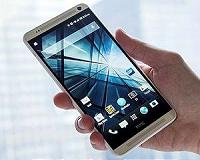
Google is set to announce it is buying part of Taiwan-based smartphone maker HTC, the Wall Street Journal reported Wednesday.
The deal for HTC's smartphone design unit would give the US tech giant more control of its mobile handset hardware as it seeks to bolster its challenge to market leaders including Apple and Samsung.
Google did not respond to an AFP query on the report, which said an announcement could come later in the day.
HTC is already a partner of the California giant and has produced the Google-branded Pixel smartphone, an upgrade of which is set to be released next month.
But the tie-up could give Google greater ability to integrate smartphone hardware and its Android operating software in the same manner as Apple, a feature which is seen as helping the iPhone.
HTC shares have fallen sharply over the past few years as its smartphone market share has dropped. Trading in HTC was suspended pending an announcement.
It would not be the first foray into hardware for Google, which in 2012 acquired handset maker Motorola for $12.5 billion, only to sell it two years later for less than $3 billion.
Commenting on Google's deal with HTC John Baptista, of Warwick Business School said: "Despite its larger user base, Google's future in the smartphone market is being threatened by Apple's superior ability to integrate hardware and software centred on user experience.
"The fragmented user experience of Android phones and the increasingly mute voice of Google in this market demands them to raise their stakes and engage more with manufacturers of devices to show more ambition and offer a credible vision for the future.
"This deal with HTC shows confidence that Google has the ideas internally to drive this process, but needs to work more tightly with manufacturers to develop a more consistent experience between the phone and other devices such as wearables, home automation, car automation, as well as increasingly work related applications and integration with office systems.
"Executing its vision in partnership with HTC will set a reference for other manufacturers that use their platform and explain to its users how and why they should continue to engage with Google's products.
"Also, augmented reailty and virtual reality look increasingly to be the future for mobile, so it might be that Google needs to work more tightly with chip manufacturers to develop the hardware in conjunction with their software to deliver AR and VR capabilities."
New fluorescent dyes could advance biological imaging
With a new technique to craft a spectrum of glowing dyes, chemists are no longer chasing rainbows. Swapping out specific chemical building blocks in fluorescent molecules called rhodamines can generate nearly any color scientists desire – ROYGBIV and beyond, researchers report September 4, 2017 in the journal Nature Methods.
The work offers scientists a way to adjust the properties of exis … read more
