
Two French engineering companies formally signed a contract in Sudan on Tuesday to conduct environmental impact studies on Ethiopia's Grand Renaissance Dam project on the river Nile, officials said.
Artelia and BRL were chosen late last year to carry out technical studies on the project after a meeting of top diplomats from Egypt, Ethiopia and Sudan.
BRL director general Gilles Rocquelain told AFP after the contract was signed in Khartoum that the studies would begin after two months and "take 11 months to complete".
The Egyptian, Ethiopian and Sudanese water ministers also attended Tuesday's signing ceremony.
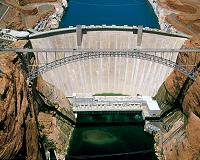
Ethiopia began building the huge dam on the Blue Nile in 2012, and when completed in 2017 it would be Africa's largest.
However, the three countries have since failed to overcome their differences about sharing the water.
Egypt, which is almost totally reliant on the Nile for agriculture and drinking water, fears that the Grand Renaissance Dam will hit supplies hard.
It draws 87 percent of its water from the Nile, which runs north from Khartoum where the Blue and White Nile rivers converge.
Ethiopia had said the project would not adversely affect Egypt's share, but Cairo has maintained its "historic rights" to the Nile, which it says are guaranteed by treaties from 1929 and 1959.
These grant it 87 percent of the river's flow, as well as the power to veto upstream projects.
On Tuesday, however, the three water ministers said they were optimistic about the project.
"We are keen to have everyone satisfied with what we are doing… we are for regional integration and prosperity," said Mohamed Abdel Aati, Egypt's water resources minister.
His Ethiopian counterpart Matoma Makisa said the resources of the Nile should benefit all three countries.
"We need to make sure that the outcome of these studies will strengthen our cooperation and ensure that the three countries benefit from the dam," he said.
The dam is designed to feed a hydroelectric project that would produce 6,000 megawatts of power.
