
A new UN report details how fast cuts to non-CO2 short-lived climate forcers (SLCFs), including black carbon, methane and tropospheric ozone, can cut the rate of global warming in half, preventing up to 0.5C of warming by 2040. If combined with rapid cuts to CO2 this could keep long term warming below 2C through the end of the century.
The UNEP report, which is a policy follow up to a preceding UNEP/WMO report in June, provides policy pathways for countries to take fast action to implement SLCF control measures often by building upon existing institutions, policy and regulatory frameworks.
Cutting SLCFs represents a "win-win" for climate mitigation, public health and food security, with benefits that justify action regardless of climate change policy.
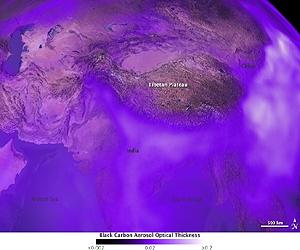
Targeted national efforts on 16 abatement measures, supported by regional and global frameworks, can prevent more than two million premature deaths a year, mainly women and children, with more than 80% of the health benefits occurring in Asia.
Cutting SLCFs can avoid approximately 32 million tones of crop losses each year. Up to fifty percent of the identified control measures can be implemented at a net cost savings, including measures such as replacing traditional biomass burning stoves with modern efficient stoves and capturing landfill methane.
Cutting SLCFs is critical for protecting the Arctic, which has warmed twice as fast as the rest of the world over the past fifty years. Arctic melting is predicted to contribute to sea level rise of as much as 5 feet by the end of the century.
Reducing SLCFs could cut the rate of warming in the Arctic by two-thirds, reducing projected warming by 0.7C and reducing the risk of passing predicted thresholds for accelerating positive climate feedbacks.
"UNEP has shown us the tools to fight back against near-term climate change," said Durwood Zaelke, IGSD President, "and we now need to use the tools for fast mitigation to protect the world's most vulnerable people and places from the worst impacts of climate change."
The report identifies 16 national abatement measures that if fully implemented can cut emissions of black carbon by 77 percent and methane by 38 percent by 2030.
These include:
+ coal mine ventilation,
+ controlling manure emissions,
+ applying diesel particulate filters to vehicles,
+ replacing traditional cookstoves, kilns, coke ovens and heaters with clean modern equivalents and fuels,
and banning open field burning.
Sources and impacts of SLCFs vary greatly by region so national actions should be supported by regional efforts through existing air pollution agreements to build awareness and promote implementation.
Global actions can also support national and regional action and can build on existing institutional arrangements to provide coordination, provide technical assistance and ensure adequate financial support for abatement measures.
