
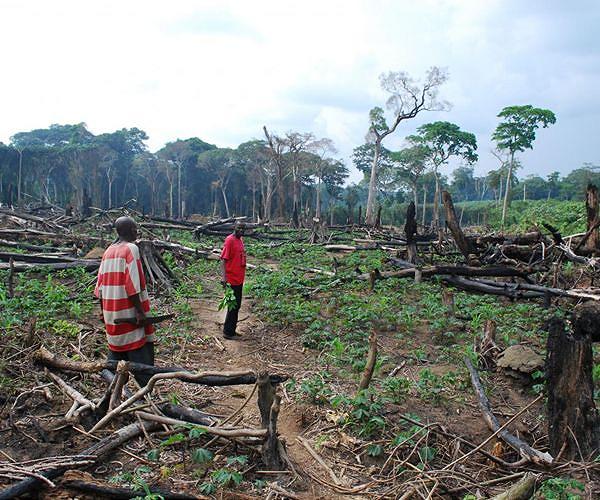
Environmental organisations including Greenpeace opposed Wednesday the proposed removal of a ban on new industrial logging concessions in the forests of the Democratic Republic of the Congo.
On Friday Congolese minister of the environment Eve Bazaiba recommended lifting the moratorium with a view to ratifying the measure the next time the government convenes.
A statement from environmental watchdogs Greenpeace, Rainforest Foundation UK and Rainforest Norway noted that the 2002 ban on logging in the world's second largest rainforest had "consistently been violated".
"Lifting it would, however, trigger a mass sell-off of the national territory, jeopardise local communities and exacerbate the climate and biodiversity crises," it said.
Africa Congo Basin forest campaign leader Irene Wabiwa Betoko described the plan as "cynical".
"The Minister's attempt to dress up the lifting of the ban as a 'good governance' measure isn't fooling anyone," she said in the statement.
"It… will simply turn over more of (DR Congo's) territory to foreign companies eager to trash the rainforest, opening a new lucrative highway for loggers."
In June, Greenpeace accused former environment minister Claude Nyamugabo of illegally awarding mining and other permits across four million hectares (15,500 square miles, 40,000 square kilometres) — equivalent to four times the area of Kinshasa — despite the ban.
Attempts by AFP to reach former minister Nyamugabo for comment were unsuccessful.
The DRC is home to 60 percent of the Congo Basin's dense forest, the second largest tropical forest on the planet after the Amazon.
Up to 2019 the Congolese government had officially only allowed industrial logging on about 11 million hectares (42,000 square miles, 110,000 square kilometres) of forest.
The world's rainforests are seen as a vital weapon in the fight against climate change as they suck carbon dioxide from the atmosphere.
Along with fighting climate change, protecting them is seen as key to staving off threats to biodiversity.
