
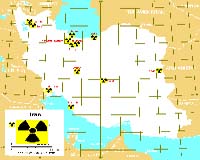
Divisions between top US officials are complicating European efforts to compile a package of incentives to persuade Iran to halt its nuclear ambitions, The Financial Times reported Wednesday.
The report, attributed to anonymous diplomats and analysts in Washington, came as London prepared to host a meeting on Iran between political directors from the five permanent members of the UN Security Council and Germany.
The directors, from Britain, France and Germany — the European Union three (EU-3) — together with China, Russia and the United States, held preliminary talks in London on Tuesday, the Financial Time said.
US Secretary of State Condoleezza Rice had "gone out on a limb" to back the EU-3's package of incentives but had met resistance from Vice President Dick Cheney, one diplomat told the British newspaper.
Another diplomat echoed that internal US divisions were delaying an agreement with the three European allies.
Cheney is said to be against the idea of "rewarding bad behaviour" after Iran allegedly breached its nuclear safeguards commitments, The Financial Times reported.
The newspaper said some European diplomats think the United States will back their proposals if Russia supports a tough United Nations resolution that would require Iran to suspend uranium enrichment.
"The idea is that something moves if everything moves," one EU diplomat told the newspaper. "The positive elements of the package have to move at the same time as Security Council Action."
Wednesday's closed-door meeting aims to confront the growing crisis over Iran's determination to pursue a nuclear programme.
The task is all the more difficult as the hardline Iranian government has insisted its uranium enrichment programme is not up for negotiation.
The EU-3's proposal says world powers should support Iran's building of several light water reactors, set up a nuclear fuel bank and even have the United States drop restrictions on Iran's buying of US commercial airplanes, if Tehran takes steps to guarantee it will not make nuclear weapons.
But if Tehran does not do this, sanctions should follow, including an arms embargo.
