
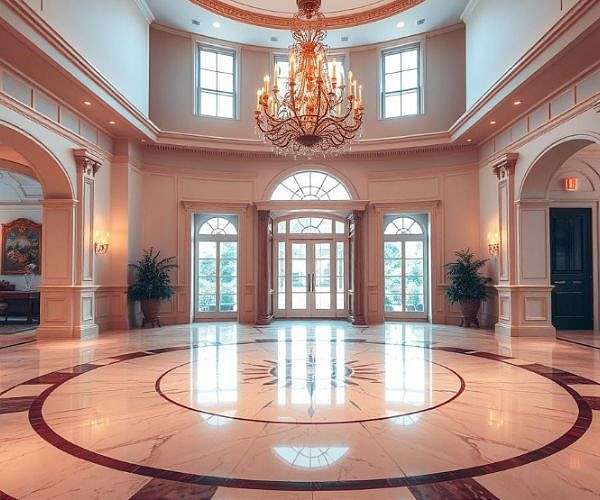
Welcome – make a first impression that feels warm, safe, and thoughtfully planned. This short guide explains how to choose foyer lighting so your entryway sets the tone for the rest of your home and works for everyday life.
Start by choosing a style that suits your decor and the scale of the space. Chandeliers and pendants give presence in taller foyers, while lantern-style fixtures and recessed lights keep compact entries feeling open and uncluttered.
Use a simple sizing rule-of-thumb: add the room length and width in feet to estimate fixture diameter in inches (for example, a typical 10 + 10 foyer totals 20, suggesting roughly a 20-inch fixture). Keep clearance at about 7 feet from the floor for standard ceilings and increase that for taller or two-story entries.
Energy-smart choices make a big difference. Modern LEDs drastically cut wattage while matching brightness, and dimmers give you flexible mood control for arrivals, evening calm, or entertaining. Also plan fixture placement for easy cleaning and clear traffic paths so guests move safely.
Key Takeaways
+ Match fixture scale with room size to make a strong first impression.
+ Follow height clearances – roughly 7' for 8' ceilings; add clearance for taller entries and two-story foyers.
+ Use LEDs and dimmers for energy savings and adaptable lighting.
+ Consider maintenance and traffic when locating lights and fixtures.
+ Apply the length + width sizing rule as a quick shopping check before you buy.
Set the tone: Align foyer lighting with your home's style and first impressions
The entry fixture you choose signals what guests will expect inside. Thoughtful foyer lighting and a consistent foyer light style at the threshold create visual flow and set the broader design direction for your home. Keep your material palette and finishes coordinated so the look feels intentional rather than matchy.
"The lighting in the foyer gives people the first impression of your interior and sets the tone for the rest of the house."
– said Kerrie Kelly
Rather than copying every finish, aim for harmony: pick a dominant metal or wood tone and echo it in nearby hardware, stair railings, or a console lamp. These choices also affect scale and size decisions you'll make later – see the measuring section for how to translate style into fixture diameter and drop length.
Mixing metals and matching materials
Mix metals with purpose: warm brass pairs nicely with matte black or polished nickel accents, and a single pendant or chandelier can pick up wood tones or blackened steel from adjacent rooms to unify the space.
+ Echo architectural styles-modern, traditional, transitional, or rustic-so the foyer lighting feels like a natural introduction.
+ Test scale with tape or cardboard cutouts at the entry point to confirm a fixture's visual weight.
+ Choose glass finishes deliberately-clear glass for sparkle, seeded for texture, frosted to control glare.
Bold versus timeless
Decide whether you want a show-stopping fixture or a long-lived silhouette. Statement pieces-an oversized chandelier on a stair vista or a sculptural pendant over a console-create drama but can date quickly. Timeless silhouettes and durable finishes last longer and let you change other elements of the space over time.
Style
Pros
Cons
Bold statement
Memorable, dramatic
Might feel dated; higher replacement cost
Timeless silhouette
Enduring appeal, easy to pair
Less showy, subtle impact
Mixed metals
Flexible, layered look
Needs careful coordination
Measure your space: Size, scale, and the go-to diameter rule for foyers
Get proportions right by converting room feet into fixture inches. Start with simple measurements and one reliable rule-of-thumb to keep the fixture visually balanced with the rest of the foyer.
Square feet and fixture width
Measure the room length and width in feet, then add those two numbers – that sum gives an approximate fixture diameter in inches. (Step-by-step: 1) measure length in feet, 2) measure width in feet, 3) add the two numbers = suggested diameter in inches.)
Example: a 12 + 12 entry adds to 24, suggesting a ~24-inch diameter chandelier or pendant. Similarly, a common 10 + 10 foyer totals 20, so plan for roughly a 20-inch fixture – keep these as practical sizing guidance rather than hard rules.
Ceiling height and fixture height
Ceiling height determines how tall a fixture can be without crowding sightlines. As a guideline, a 10-foot ceiling commonly accommodates a 20-30-inch tall piece; taller fixtures add presence but require more clearance.
For two-story foyers (roughly 16 feet or more), multi-tier chandeliers sized in the 32-48 inch tall range often balance the vertical space and read well from both the door and the staircase.
Examples that work
+ Compact spaces: choose slim-profile fixtures or a single pendant so the foyer stays open and door swings remain clear.
+ Mid-size foyers: use the calculated diameter but leave breathing room from walls, stair railings, and artwork.
+ Large two-story entries: consider tiered chandeliers for vertical rhythm; test visual weight so railings and decor aren't overwhelmed.
+ Quick tip: cut a paper ring to the target diameter in inches and hang it temporarily to preview scale. Measure your foyer now and note the numbers before shopping – and deviate from the rule when the layout, furniture, or narrow proportions call for adjustments.
+ Hang it right: Clearance, door swing, and two-story foyer placement
Balancing presence and passage is the main goal when setting fixture height in an entry. Installations should protect headroom, allow doors to open freely, and keep the fixture visually centered without creating maintenance headaches.
Standard ceilings and short entries
For 8-foot ceilings, set the bottom of the fixture about 7 feet above the floor to preserve headroom and prevent a front door from striking the piece. Before purchase, measure the door swing arc and confirm the fixture's drop will not interfere.
Taller single-story entries
In 9-12-foot ceilings, aim for at least 7 feet 6 inches of clear height so tall guests can pass comfortably. Adjust the pendant or chandelier drop to keep sightlines open and to clear transoms or tall entry doors.
Two-story placement and balance
For two-story foyers, set the bottom of the fixture roughly level with the second-floor landing to create visual balance from both levels. Centering a chandelier in a high window or over the stairwell can be dramatic-only do this if cleaning and bulb changes remain practical from a landing or with a safe lift.
"Never sacrifice safe access for a dramatic drop; maintenance matters more than a perfect center."
+ Confirm the junction box weight rating before buying and add bracing or a fan-rated box for heavy fixtures.
+ Plan cleaning and maintenance access: consider whether bulbs can be reached from a second-floor landing or if a lift/long-reach tool will be needed.
+ Add a dimmer at the wall so you can control glare and set the right tone when guests arrive.
+ If in doubt about mounting or load-bearing, consult a licensed electrician to verify support and safe installation.
Light levels that welcome: Wattage, lumens, and dimmers for an inviting entryway
Bright, balanced light makes an entry feel warm and usable from the first step. Plan overall output before you pick a pendant or chandelier so the foyer works in both daylight and evening and your lighting choices support the room's function and mood.
Quick calc for general illumination
Simple formula (rule-of-thumb): multiply foyer square feet by 1.5 to estimate target total watts based on traditional incandescent equivalents. For example, a 10 + 10 entry (100 square feet) needs about 150 watts of total incandescent-equivalent output for general tasks and a welcoming glow.
Note: this watt-based shortcut is useful for quick planning, but modern LEDs are rated by lumens. Aim for a lumen target (see conversion examples below) when shopping for LED bulbs or integrated fixtures.
LED equivalents and dimmer benefits
Modern LEDs deliver the same perceived light using far fewer actual watts. Look for packaging that lists lumens and "replacement for X watt" so you can match the old incandescent brightness while lowering energy use.
Install a compatible wall dimmer to set the mood for arrivals, evenings, and entertaining – dimmers reduce glare when coming in from bright outdoors and let you easily tune the foyer light level for different occasions.
Color temperature and layering
Pick 2700K soft white for a warm, flattering welcome; cooler temperatures (4100K or 6500K) read as brighter but can feel clinical in a residential foyer.
+ Shades, frosted bulbs, or lenses soften glare but lower effective output-compensate with higher-lumen LEDs or additional fixtures.
+ Layer primary foyer lighting with wall sconces or table lamps to reduce shadows and add depth.
+ Open-bulb pendants may feel bright at eye level; use frosted lamps and dimmers for comfort.
"Set a lumen target first, then refine with dimmers and shades for an entry that welcomes and performs."
Quick conversions and shopping tips
+ Example conversion (approximate): a 150W incandescent equivalent typically corresponds to roughly 2000-2600 lumens of LED output – check product labels for exact lumen ratings.
+ When comparing fixtures, note both total fixture lumen output and per-bulb lumens so you can scale output across multiple lights.
+ At purchase, record bulb specs (lumens, kelvin, dimmer compatibility) so future replacements match tone and brightness.
Fixture styles and materials: From chandeliers to pendants and lantern looks
Let the entry's proportions and purpose guide whether a chandelier, pendant, or lantern will fit best.
Chandeliers deliver presence in taller foyers. Multi-tier chandeliers (two or three rings) create vertical rhythm and read beautifully from both the stair and the door-ideal for double-height spaces. They add drama but plan for cleaning and maintenance when choosing crystal or intricate designs.
Pendants are a versatile choice for single-story or wide entries. Paired pendants can fill a broad horizon when spacing and clearance are correct; they're often easier to maintain if you pick stable stems and accessible sockets for quick bulb changes.
Lantern-style fixtures give a clean, transitional look. Open-frame lantern pendants dust easily and suit homes that favor crisp lines over ornate detail.
Material and finish choices affect glare, durability, and upkeep. Crystal and clear glass maximize sparkle and brightness but need more frequent cleaning. Frosted glass softens glare and masks bulb shape. Metal fixtures-aged brass, matte black, or polished nickel-resist wear and help tie the foyer look to door hardware and stair rails.Watch for shadow patterns from globes, cages, or open frames; review product photos from multiple angles before buying. Choose fixtures with solid arms and reachable sockets so routine upkeep stays simple and safe.
Fixture
Best For
Maintenance
Multi-tier chandelier
Double-height entries, stair vistas
Higher cleaning effort; dramatic effect
Paired pendants
Wide single-story foyers, console tables
Easy bulb access; moderate care
Open lantern pendant
Transitional spaces, low dusting needs
Low maintenance; clean lines
Maintenance matters
Prioritize fixtures with accessible bulbs and fewer dust-catching crevices. Open frames and larger sockets make bulb replacement quicker and reduce maintenance time.
Plan a reach strategy before you buy: confirm whether bulbs and crystals can be reached from a second-floor landing or if you'll need a lift or long-reach tool. Schedule periodic tightening of arms and canopies and regular dusting to keep the fixture looking its best.
"Check junction box ratings and ceiling support for heavier fixtures; upgrade mountings when needed."
Before you buy: confirm support (junction box rating and bracing), bulb access, and cleaning strategy.
Budget: expect $90-$250 for a typical installation; complex multi-tier chandeliers or structural upgrades cost more-get a quote from an electrician.
Choose maintenance-friendly finishes and accessible bulbs to reduce long-term upkeep.
Document bulb specs (lumens, kelvin, wattage or LED equivalent) so future replacements match color and output.
Conclusion
Match scale, finish, and output so the entry feels intentional, calm, and welcoming.
Next steps: measure your foyer, pick a fixture style that echoes your home's finishes, and translate those measurements into a fixture diameter using the feet-plus-feet rule (room length + width in feet = suggested diameter in inches). Confirm the drop in inches and ceiling clearances before purchase.
Plan brightness by the simple watts shortcut (square feet + 1.5 for an incandescent-equivalent baseline), then choose LEDs that meet the lumen target and a compatible dimmer for flexible tone-2700K usually gives the warm, flattering look most homes prefer. For taller or two-story foyers, set the bottom near the second-floor landing only if maintenance access and door swing remain safe.
If your foyer is small (under about 100 square feet), favor a single pendant or understated fixture; for larger or two-story spaces, consider multi-tier chandeliers or paired pendants to fill the volume. Measure, verify junction-box support, and consult an electrician for heavy fixtures so guests enjoy a well-lit, stylish entry that performs long term.
