
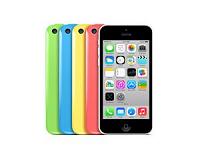
A majority of British iPhone owners admit to blind loyalty to their devices, saying they "couldn't imagine" having another type of phone, a survey found.
British firm SIMOnlyContracts asked 2,000 iPhone how they felt about their phones, and 78 percent of respondents said they "couldn't imagine having a different type of phone now."
"It's really interesting to discover this blind loyalty amongst iPhone users — they'll no longer consider other mobile phones on the market, purely because they trust Apple and perhaps like being associated with the brand," SIMOnlyContracts founder Roshan Bhola told the Daily Telegraph.
In another indication of brand loyalty, 54 percent of the survey respondents said their current iPhone wasn't their first.
Thirty-seven percent said they'd purchased an additional iPhone in order to stay with iOS, while 25 percent said they renewed their iPhone contracts because their friends and family had them.
"Blind loyalty" was not a concept Bhola put forward himself; about 60 percent of respondents in the survey reportedly admitted to exactly that, CNET reported — a "blind loyalty."
South America's first Apple store opens in Rio
Rio De Janeiro (AFP) Feb 15, 2014 –
Some 1,700 impatient shoppers lined up for hours Saturday for the grand opening of Apple's store in Rio de Janeiro — the first official outpost in South America.
First in line was Thiago Cuba, 31, who said he was looking forward to shopping at the glistening new computer store in a tony section of Rio — even though he was experiencing sticker shock.
The price of Apple prices in Brazil "continue to be very high," but gradually are coming down, Cuba told the O Globo newspaper.
"There are some (Apple products) here that are close to what they would cost in dollars," said Cuba, as he prepared to shell out hard-earned reales for a new printer, headphones, and some cell phone cases.
"I expect that the prices will fall," he said, adding that "the quality of the products is worth it."
Part of the reason the products are so expensive here is the high import taxes in Brazil. An iPad Air that costs $499 in the United States, goes for more than $700 in Brazil.
Apple officials said they were delighted finally to tap the enormous pent-up demand of customers in this huge country with its burgeoning population of middle class consumers.
Robust economic growth over the past decade has allowed more than 40 million people to exit poverty and join the ranks of the middle class.
"We are very excited about the first of what we hope will be many stores in Brazil," said Steve Cano, Apple's senior vice president, speaking to the Valor business newspaper.
Brazil — South America's most populous country — is the world's seventh-largest economy and Latin America's biggest.
There are just 26 million smartphones in a population of some 200 people, making the market ripe for growth.
