
Brazil is gaining ascendancy in Latin America faster than anticipated by its neighbors and is poised to claim its pre-eminence on the continent on the basis of its geographical mass and financial prowess.
This week Brazil demonstrated its financial clout by signing agreements to buy $10 billion of International Monetary Fund notes. A longtime and frequent borrower from the IMF, it was the first time that Brazil became technically a creditor of the global lending body.
The notes are denominated in the IMF's special drawing rights, a basket of currencies designed to cushion the notes against major currency fluctuation.
The money invested by Brazil in the IMF will go into the fund's various facilities for lending to developing and underdeveloped countries.
And, as if to blunt criticism that Brazil itself in parts fitted both of those categories, the government announced extensive new plans to reduce poverty.
Brazil's IMF move will earn it interest from the IMF but, equally important, it will enhance Brazil's standing in the South American community where the country's $240 billion currency reserves have already made an impact.
Brazil has been campaigning for a permanent seat on the U.N. Security Council and has quietly assumed a dominant role in regional forums including the Mercosur trade bloc.
Critics of Brazil, who initially were skeptical about Venezuela's candidacy of Mercosur, now want President Hugo Chavez brought on board with the hope of counterbalancing the presence of Brazilian President Luiz Inacio Lula da Silva in the group, which includes Argentina, Paraguay and Uruguay.
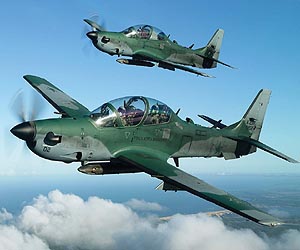
Lula's plans for regeneration of Brazil's military manufacturing and service industries have also raised eyebrows in neighboring Latin American countries and raised an outcry about an arms race. Brazil argues its military buildup is in keeping with its size and need for security of its coastal and border areas and newly discovered offshore oil and gas deposits.
Analysts said an expected confirmation of Venezuela's membership of Mercosur later in spring could still upset the political balance within the trade organization. Critics of Chavez have said his arrival at Mercosur will radicalize the organization, which so far has focused on economic collaboration and trade.
Share This Article With Planet Earth
