
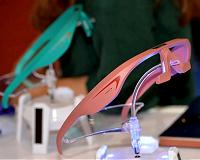
Having trouble getting to sleep at night? A new breed of smart glasses may help. Shenzen Qianhai Icecold IT Co. Ltd. has developed the PEGASI, a new breed of therapeutic LED-imbedded eyewear that it promises will induce healthier sleep habits, and therefore better overall health.
The PEGASI works by generating specific wavelengths of light, which stimulate the hypothalamus gland in the brain, which is responsible for metabolic processes such as fatigue and sleep.
Such stimulation has been shown to affect the release of the hormone melatonin, which peaks at night and ebbs during the day, and is associated with circadian rhythms, which induce most mammals to be active in the daytime and to rest at night.
Research has shown that circadian rhythms of humans can be trained to slightly shorter and longer periods than the Earth's 24 hour daytime cycle, opening the door for the PEGASI system as an alternative to drug- and chemical-based sleeping aids.
The lenseless PEGASI's LEDs are located along the inside edges of the rims, and emit a soft blue light that is activated by a touch-sensitive switch located at the right hinge. The unit has a built-in rechargeable 3.7-volt lithium polymer battery.
For insomniacs, the company recommends wearing the glasses for 24 minutes between 7am and 9am every day for at least the first week. Those feeling drowsy during the day may opt for the Energy Boosting Protocol that has been built into a downloadable app for both iPhone and Android smart phones.
The unit's mobile app allows for monitoring of sleep status as well as the accumulation of historical sleep data to a Cloud Doctor for longer-term assessment and optimization.
The glasses don't look bad, and come in a variety of chic designer colors. But do they really work? The PEGASI is not a medically certified solution (yet), but the company cites sleep quality improvement in some 92% of subjects, as well as some supportive university and NASA research.
Insomnia – generally defined as an inability to fall asleep within 30 minutes – is the most common sleep disorder, often goes undiagnosed, and is said afflict up to 10% of adults. Research has linked it to high blood pressure, diabetes, and other ailments, making the stakes for getting a good night's sleep nothing to snooze about.
The global sleeping aids market was valued at $58.1 billion in 2014 and is expected to grow at a compounded annual rate of 5.7% to $80.8 billion by 2020, according to a report by Persistence Market Research.
After initial success in China, the PEGASI sales effort is now going international. "Considering the cost of treating sleep disorders clinically, we think the glasses can address the needs of at least some sufferers in a less chemically-dependent way, saving them a lot of money in the process," says sales representative Louis Liu.
