Today, FirstEnergy (FirstEnergy) shareholders will vote on a proposal asking the company to report on its efforts to reduce the environmental and health hazards of coal ash stored in ponds, landfills and mines.
The proposal was filed by Green Century Capital Management (Green Century), an environmentally responsible investment advisory firm, and the Adrian Dominican Sisters, an international congregation of approximately 800 vowed religious women with over 30 years of commitment to, and practice of, socially responsible investing (SRI).
"Over half of FirstEnergy's generation capacity comes from burning coal, yet the company fails to provide investors meaningful information about how it prevents harmful environmental impacts and mitigates coal ash-related risks," said Christopher Matthias, of the Adrian Dominican Sisters.
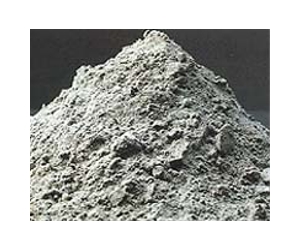
Coal ash is a byproduct of coal-fired power plants that contains arsenic, mercury, lead, and other toxins left after combustion or filtered out of smokestack scrubbers.
The health, environmental, and financial risks of managing coal ash came to light in December 2008 when a dam holding back a 1.1 billion gallon coal ash pond belonging to the Tennessee Valley Authority (TVA) burst and covered over 300 acres with toxic sludge. TVA has estimated spill-related costs at $1.2 billion and has been the target of over 50 lawsuits since the spill.
Investors should be particularly concerned about FirstEnergy's operations at the Bruce Mansfield plant and its Little Blue Run dam which is 400 feet tall and covers a surface area of 967 acres. Every day, up to 3.2 million gallons of coal ash waste is sent to the Little Blue Run Dam facility.
"FirstEnergy's ash storage practices at the Little Blue Run dam expose the company to significant financial and regulatory risks due to environmental and health hazards caused by coal ash," said Larisa Ruoff, Director of Shareholder Advocacy for Green Century.
"At the same time, FirstEnergy's public disclosure on this issue is insufficient. The company does not provide information on the efforts it is taking to reduce environmental and health hazards associated with the coal ash it produces. As a result, investors cannot make informed decisions regarding to whether the company is adequately managing coal ash related risks," she continued.
Last month, shareholders in Ameren Corporation* voted on a similar proposal where over half** of the shares voted supported the resolution calling for increased transparency and accountability. Later this month, shareholders at Southern Company* will have the opportunity to vote on the issue as well.
Share This Article With Planet Earth