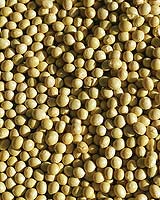
A U.S. research team says it has invented a "reactive flash volatilization process" that converts soy oil and sugar into hydrogen and carbon monoxide. The mixture called synthesis gas, or syngas, is used to make chemicals and fuels, including gasoline, and the new process works up to 100 times faster than current technology.
In addition, the University of Minnesota scientists say their new technology requires no fossil fuels and works in reactors at least 10 times smaller than current models.
"It's a way to take cheap, worthless biomass and turn it into useful fuels and chemicals," said team leader Lanny Schmidt, a professor of chemical engineering and materials science. "Potentially, the biomass could be used cooking oil or even products from cow manure, yard clippings, cornstalks or trees."
Schmidt and his colleagues — graduate students James Salge, Brady Dreyer and Paul Dauenhauer — have produced a pound of synthesis gas in just one day using their small-scale reactor.
Schmidt gained national attention in February 2004, when a team he headed invented a similar technology to produce hydrogen from ethanol.
The work is detailed in the current issue of the journal Science.
Source: United Press International