
Delegates from six nations focused Tuesday on a Chinese proposal on how to verify North Korea's claims about its atomic programme in talks aimed at ending the secretive regime's nuclear activities.
A dispute over verification has been the latest snag in the long-running negotiations over the North's nuclear ambitions.
The regime appeared to accept the verification process in October as part of a broader agreement to disable its nuclear facilities, but has since said it will not let international inspectors take test samples out of the country.
Delegates said China had presented a proposal for the verification process at the start of the day's talks.
It had engaged in a series of one-on-one consultations with the other participants to discuss the draft, diplomatic sources said.
"It's a work in progress — we have given our comments and other delegations have given theirs," said Christopher Hill, the top US envoy to the talks, adding conversations would continue Wednesday.
But Japan's chief negotiator Akitaka Saiki said there were "many places" in the draft where he thought improvements could be made, according to Kyodo news agency.
Saiki said Japan, the United States, South Korea and Russia were aligned to some extent in their opinions on the document, Kyodo reported.
Hill earlier said he had three objectives for these negotiations, which have offered the North energy aid and diplomatic concessions in exchange for stopping its atomic programme.
"We want to complete a verification protocol. We also want to complete a schedule for energy and a schedule for disablement," he said.
"Our plan is to get all three done."
The latest round of negotiations began in the Chinese capital on Monday, likely marking a last bid by the outgoing George W. Bush administration to tackle one of the most intractable items on its diplomatic agenda.
The talks, which were launched in 2003, bring together North and South Korea, China, Japan, Russia and the United States.
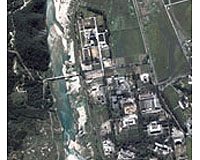
The nations appeared to make a breakthrough last year, under which Pyongyang agreed to disable facilities at its plutonium-producing Yongbyon nuclear complex and reveal its atomic activities.
The deal — which also called for the delivery of one million tonnes of fuel oil or energy aid of equivalent value — has hit multiple snags.
But in October, after an apparent agreement on verification procedures, the United States said it would drop North Korea from a terrorism blacklist, and the North reversed plans to restart its plutonium-producing nuclear plants.
"We need to have intense discussions about verification," the chief South Korean delegate to the talks, Kim Sook, told reporters earlier on Tuesday.
"It's not easy. We will make efforts to the last minute," he said after Tuesday's session ended.
About half of the energy aid promised to North Korea last year has been delivered.
Japan has withheld its share until North Korea accounts fully for Japanese nationals kidnapped by Pyongyang during the Cold War, triggering North Korea's insistence that it would not recognise Japan in the latest talks.
"We will neither treat Japan as a party to the talks nor deal with it even if it impudently appears in the conference room, lost to shame," the communist country's foreign ministry said at the weekend.
Share This Article With Planet Earth
