Kuwaiti MPs on Sunday approved a recommendation urging the government to shorten summer working hours to save electricity, as the emirate grappled with record heat and a major power crisis.
The non-binding recommendation that followed an emergency parliamentary session to discuss the power crisis called working hours for government employees to be changed from the present 7:30 am-2:30 pm to 7:00 am-midday.
MPs also called for an investigation into corruption allegations in the ministry of electricity and water that allegedly delayed new power plants to meet growing demand.
Opposition MP Khaled al-Tahus called on Electricity and Water Minister Bader al-Azemi to disclose the names of lawmakers who have business interests in projects under the ministry.
Last week, the oil-rich OPEC member almost resorted to power cuts after a sharp rise in demand in response to record temperatures that soared to 52 degrees Celsius (125.6 Fahrenheit), the highest in more than 30 years.
Azemi told the house that the power crisis was due to mistakes accumulated since 1988, when Kuwait built its last power plant despite an eight percent annual rise in electricity demand.
Last week "we reached 99-percent consumption of our (production) capacity" of under 11,200 megawatts, he said.
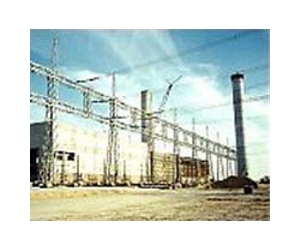
"Next year, we will get over the problem," when the first phase of a power plant under construction will come online adding about 1,320 megawatts of new capacity, the minister said.
In September 2009, Kuwait signed a 2.7-billion-dollar (2.2-billion-euro) deal with US and Korean firms to build a 2,000-megawatt power plant that is due to come online next summer and be fully operational by mid-2012.
Prime Minister Sheikh Nasser Mohammed al-Ahmad al-Sabah said at the time that Kuwait aims to double power capacity to more than 20,000 megawatts during the next five years.
Last month, Kuwait's parliament passed a law to set up shareholding companies to build new power and water desalination plants in the first privatisation of the sector.
The wealthy Gulf emirate, which operates a cradle-to-grave welfare policy for Kuwaiti nationals, sells power at highly subsidised rates to its 1.1 million citizens and 2.35 million foreign residents.
Share This Article With Planet Earth