
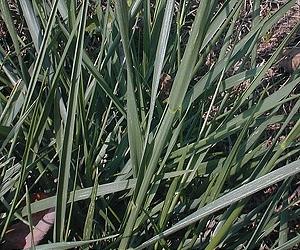
A U.S. Department of Agriculture researcher says he has rediscovered a forage grass well suited to contemporary intensive rotational livestock grazing.
A farmer's report of an unusual forage grass on his dairy farm near Mineral Point, Wis., led Agricultural Research Service geneticist Michael Casler in Madison to identify the grass as meadow fescue, an ARS release reported Tuesday.
Meadow fescue had been long forgotten as a forage grass, although it was popular after being introduced about 50 to 60 years before the introduction of the more common tall fescue, researchers say.
Using the discovery Casler has developed a new variety of meadow fescue he's dubbed Hidden Valley and is growing seeds for future release. Meadow fescue has non-toxic fungi called endophytes living inside it, helping it survive heat, drought and pests.
Unlike the toxic endophytes inside many commercial forage grasses, like tall fescue and ryegrass, meadow fescue does not poison livestock, the ARS said.
Casler and his colleagues have since found the plant, which is very winter-hardy and persistent, on more than 300 farms in Wisconsin, Iowa and Minnesota.
Geoffrey Brink, an ARS agronomist working with Casler, said meadow fescue is 4 percent to 7 percent more digestible for livestock than other cool-season grasses dominant in the United States.
Share This Article With Planet Earth
