
Severe flooding temporarily cut Nigeria's oil output by around 500,000 barrels per day, or some 20 percent of total production in Africa's largest crude producer, an industry regulator said Wednesday.
"It is true that at some point in recent months, oil output fell by 500,000 bpd but the (production) figure has since risen to 2.3 million bpd," said Belema Osibodu, the assistant director of the Department of Petroleum Resources.
Nigerian production levels have been in the range of around 2.0 and 2.5 million barrels per day in recent months.
Anglo-Dutch oil giant Shell on Tuesday announced that it had declared force majeure on exports from its Bonny and Forcados terminals because of theft, flooding and pipeline damage.
Force majeure is a legal term indicating contractual obligations may not be met because of circumstances beyond the company's control.
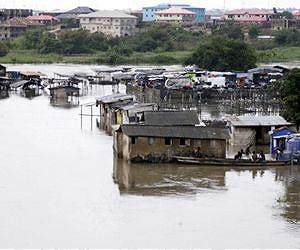
Flooding this rainy season has ravaged many of Nigeria's 36 states, including those in the oil-rich Niger Delta, home to the country's multi-billion-dollar oil and gas industry.
The Red Cross said in early October that flooding across Nigeria had killed at least 148 people and displaced more than 64,000.
President Goodluck Jonathan's government pledged $110 million to mitigate the damage caused by "unprecedented" floods. He also set up a team to raise money to assist the victims.
The rainy season in Nigeria, Africa's most populous country with about 160 million people, runs roughly from March to September, though rains have continued into October this year.
