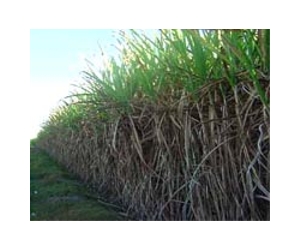
The joint venture announced simultaneously in Sao Paulo and London involving Brazilian ethanol group Cosan and Royal Dutch Shell increases prospects of an expanding global presence for Brazilian sugarcane ethanol. The assessment came from Brazilian Sugarcane Industry Association (UNICA) President Marcos Jank.
In his view, the deal brings together two companies that are strongly complementary: "The partnership generates scale, efficiency and technology, all of which certainly contribute to gain access for Brazilian ethanol to global markets and overcome protectionist obstacles that still hinder its growth," Jank commented.
The President of UNICA was pleased with comments regarding the qualities of Brazilian ethanol, made by Shell officials during the news conference: "They stressed that they consider Brazilian ethanol as the biofuel that contributes the most to greenhouse gas emission reductions, as well as being the most efficient, sustainable and commercially viable in the world. It is important to highlight that not only Shell, but several other global companies doing business with the Brazilian sugar and ethanol industry, no longer have any doubts about these aspects when discussing the ethanol produced here."
According to UNICA, with the involvement of Iogen, a world leading biotechnology firm specialized in cellulosic ethanol, and Codexis, a leading developer of clean biocatalytic process technologies – both subsidiaries of Shell, the agreement also has the potential to promote advancements in the development of second generation ethanol from sugarcane biomass.
"The way forward for our industry includes the expanding use of new technologies. This is something that is already happening, but requires even greater levels of commitment and investment in order to become a vital aspect for the future of our activity," concluded Jank.
This US$12 billion deal brings together the largest Brazilian and global producer of sugarcane ethanol and holder of the Esso and Mobil brands in the country, with one of the largest oil companies in the world, with almost 100 years of experience in the Brazilian market.
The deal with Cosan makes Shell the third oil company to invest in ethanol production in Brazil – BP was first in 2008, followed by Petrobras, which made its first direct investment in production in late 2009.
Brazil is a leader in the production of sugarcane ethanol, which is widely considered to be the most efficient biofuel available today. In 2009, Brazil produced over 7 billion gallons of sugarcane ethanol, most of which is used in Brazil in flex fuel vehicles.
As a result of Brazil's innovative use of sugarcane ethanol in transportation and biomass for cogeneration, sugarcane is the leading source of renewable energy in the nation, representing 16% of the country's total energy needs. In fact, gasoline has become the alternative fuel in Brazil, reducing the country's dependence on fossil fuels and cutting emissions.
A recent study in the November 2009 edition of the journal Energy Policy indicated that since 1975, over 600 million tons of CO2 emissions have been avoided thanks to the use of ethanol in Brazil.
Share This Article With Planet Earth