
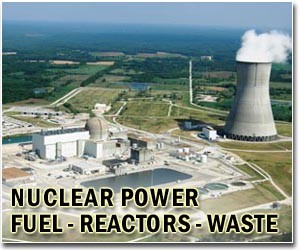
A radioactive leak occurred at a Chinese nuclear power plant last month but has just been made public.
Radio Free Asia reported that "radioactive iodine and noble gas" were in high levels around Southern China's Shenzhen's Daya Bay nuclear power station plant and that the May 23 leak had been covered up.
Hong Kong electric utility CLP has a 25 percent stake in the power plant, which is 75 percent owned by China Guangdong Nuclear Power Group. The plant, 31 miles from Hong Kong's Tsim Sha Tsui district, supplies 70 percent of its electricity to Hong Kong.
The government of Hong Kong said Tuesday that it didn't learn of the May 23 occurrence until media reports surfaced Monday.
A fuel rod at the plant had experienced a "very small leakage," which slightly increased radioactivity levels in the cooling water for the Unit 2 nuclear reactor, CLP said in a statement in response to the Radio Free Asia account, China Daily reports.
CLP said the leak was completely quarantined so it had "no impact on the public." It said the radiation level of the Unit 2 reactor is now within the normal range.
CLP said the incident wasn't serious enough to warrant rating on the International Atomic Energy Agency's scale that assesses the seriousness of nuclear safety incidents.
The Hong Kong Security Bureau said that 10 radiation sensors in Hong Kong hadn't detected any increases since the date of the leak.
CLP spokesman Justin Lui told Bloomberg News that plant operators had reported the incident to Chinese officials May 24.
"This is just like any other operating incident in the plant. The information is reported. We have been very transparent in the way we handled the information here," said Richard Lancaster, managing director for CLP Power Hong Kong Ltd. in a phone interview on Bloomberg Television.
But the incident has unnerved politicians and activists in Hong Kong, who are asking why the public wasn't informed of the leakage.
The plant was built in 1994, despite wide opposition from Hong Kong residents.
Christine Loh, a public policy advocate and former Hong Kong legislator, said Tuesday that the public is owed a "full disclosure" of what had happened, The Wall Street Journal reports.
"There are a whole bunch of questions about whether there should have been more immediate disclosure, and what's the protocol when this happens," she said.
Share This Article With Planet Earth
