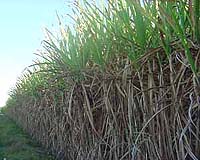
Brazil's sugarcane industry — the main pillar in the country's biofuel sector — hailed the European Union plan unveiled Wednesday to cut greenhouse emissions by boosting ethanol use in transport.
The European Commission goal of having 10 percent of transport fuels coming from biomass (crops that can be processed to produce ethanol) by 2020 was "a sensible approach," the Brazilian Sugar Cane Industry Association (UNICA) said in a statement.
It hinted at an export potential for Brazil in the move, saying it especially "welcomes the fact that criteria for sustainability in the EC proposal does not discriminate against imported biofuels."
Brazil is the world leader in biofuel use. More than 80 percent of new cars hitting its roads are "flex" models, meaning they can run on petrol, ethanol, or a mix of the two.
UNICA said 45 percent of fuel in light vehicles in Brazil was ethanol from sugarcane, which allowed the country to reduce carbon dioxide emissions by 25.8 million tonnes last year.